When a Hurst Reroof Uncovers Damaged Decking
The old shingles come off, and part of the wood underneath needs replacing. That changes more than the material order. The replacement roof needs sound support, the added work needs a clear scope, and Hurst requires a City inspection when decking is replaced. Here is how those pieces fit together.
Why the deck becomes a separate part of the job
The deck is the wood surface beneath the underlayment and shingles. It supports the covering and gives roof fasteners a solid base. Replacing the shingles does not repair wood that has softened, split or lost its ability to hold those fasteners.
Some warning signs are visible before work begins: a dip in a roof plane, a recurring leak or an uneven area can direct the inspection. They do not reveal every sheet or board. The covering and underlayment hide the top of the deck, so removing those layers can expose damage that was not visible during a roof walk.
That discovery does not automatically call for a whole new deck. The roofer checks how far the affected area extends and where replacement wood can join sound support. A limited damaged section and widespread deterioration are different jobs.
What has to be fixed before new roofing covers it
A damaged panel needs more than a fresh layer over its surface. The work has to remove unsuitable material, establish sound support at the replacement edges and provide a deck that accepts the selected roofing system. The panel thickness, span and fastening need to suit the structure and the product requirements.
Water damage also calls for attention to the entry point. Wood beside a pipe, wall or valley can be the consequence of a failed roof detail. Repairing the deck while leaving the same opening above it leaves the cause in place. The new underlayment and flashing have to connect with the repair and direct water outward.
Roof decking and roof framing are not the same thing. If removal exposes a damaged rafter or another structural support, the work needs a further assessment and an appropriate repair plan. It should not disappear inside a routine allowance for replacing a few sheets.
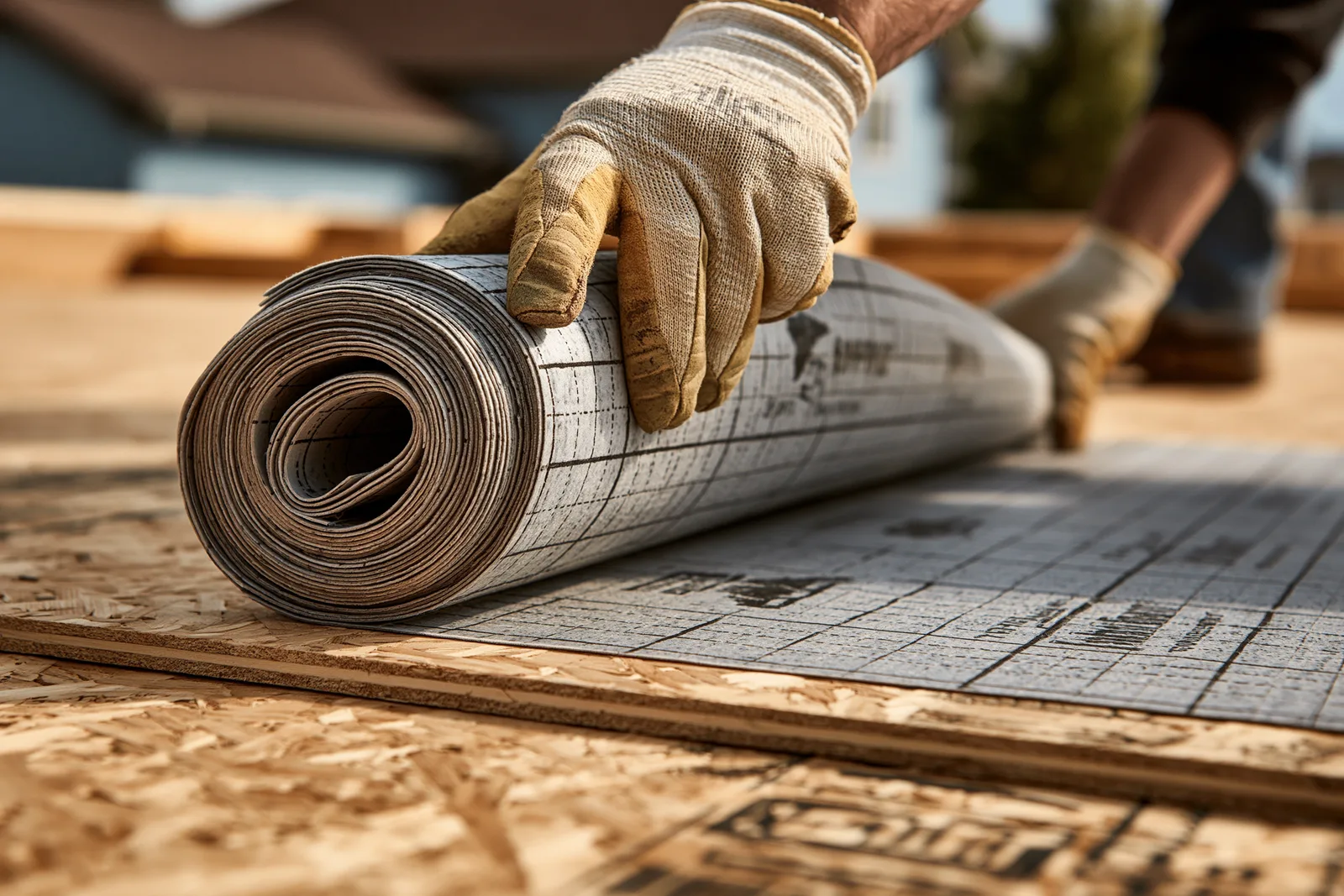
GAF’s steep-slope field guide calls for sound deck preparation and repair or replacement of damaged or rotted sections before its roof-deck protection is installed. The instructions for the actual products and the applicable building requirements govern the details.
Hurst treats decking inspection separately
The City of Hurst’s Certificate of Final Roof Installation / Inspection states that all reroof projects require a permit. It also says decking replacement requires a City inspection and that the affidavit alternative applies only to final inspections. Replacing damaged decking therefore introduces a City inspection requirement even when an affidavit is used for the final step.
The final-roof form concerns vent piping through the roof, reinstalled exhaust vents and their clearances, general code compliance and an exterior inspection. Those final checks do not replace the separate decking inspection. The roofing work and City inspection need to be coordinated when the repair is exposed, with the inspection arrangements confirmed for that project.
The City document was checked September 30, 2026. Our Hurst roofing permit guide explains the permit and final-inspection process. A repair that reaches framing or changes the structure needs its own scope review; the reroof form alone does not settle those requirements.
How hidden wood damage affects price and timing
Deck work changes the quantity of material and labor below the new covering. The amount of wood, the way its edges are supported, the location on the roof and any related flashing work all affect the addition. A simple per-sheet allowance cannot describe a structural repair or every difficult roof connection.
Before tear-off begins, the replacement agreement can establish how concealed damage will be documented, priced and authorized. When damage is uncovered, the proposed change needs to explain the area being replaced and the work involved. That makes the added cost a decision about a known repair, rather than an unexplained increase to the shingle price.
The repair and required inspection can also change the installation sequence. The roofer has to account for open roof areas, the weather and temporary protection while that work is resolved. The extent of the damage and inspection arrangements determine what happens next; a fixed completion date cannot be assumed from the original roof size alone.
Start with the roof you have now
A stain indoors does not tell you how much decking needs replacement, and an older roof does not prove that its wood is unsound. Tell us what you have noticed and any repair history you already know. You do not need to climb onto the roof or expose a layer before asking for help.
Hurst Roofing Experts offers free inspections to help establish the roof condition and the next step. Our roof replacement service explains how removal, deck preparation and the finished roof fit together. If a localized problem can be repaired against sound surrounding material, that is part of the discussion too.
Plan the replacement from the deck up.
Tell us about your Hurst roof and what brought replacement to mind. Start with a free roof inspection.