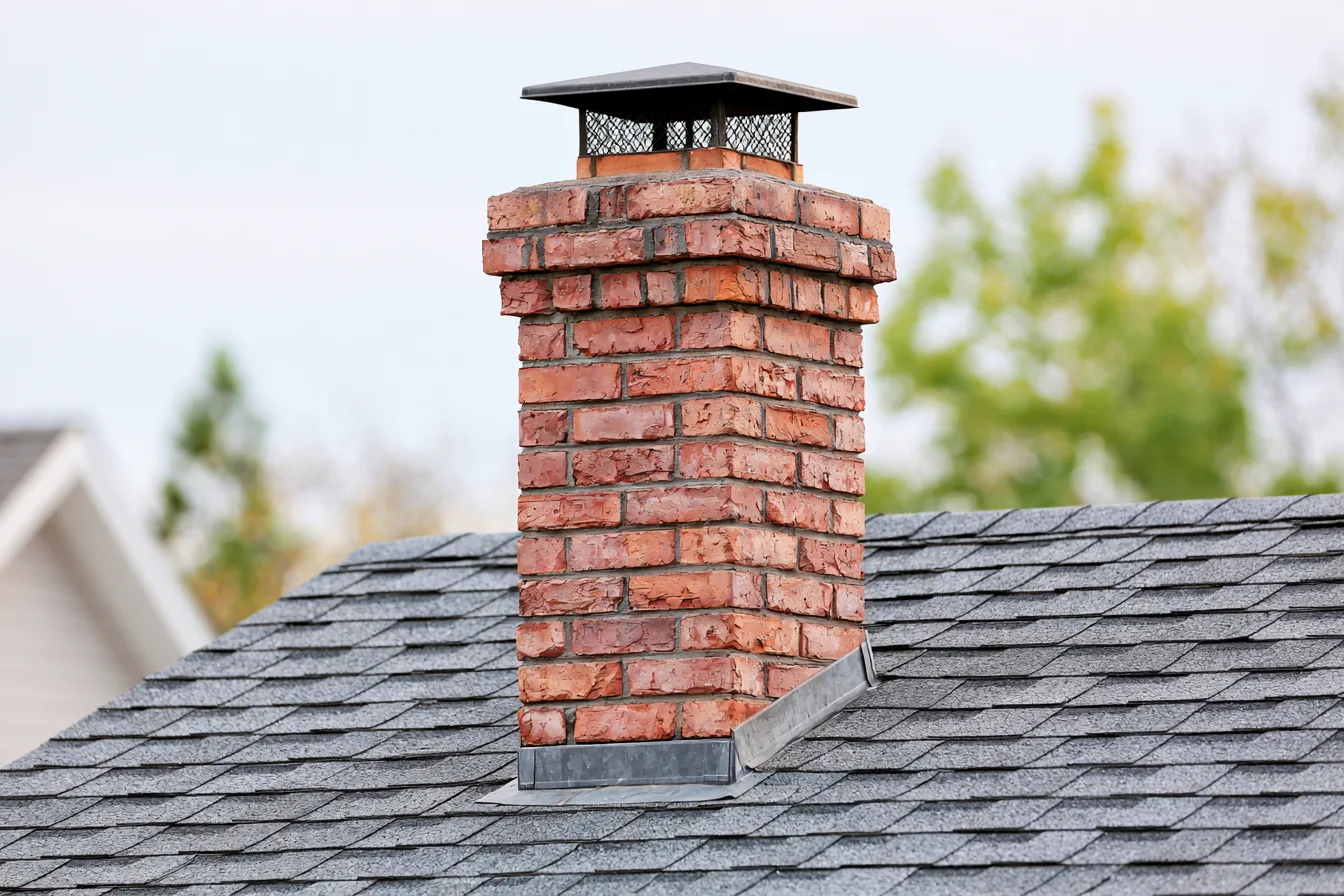
Roof Flashing Repair in Hurst, TX
A roof joint needs more than a surface patch. Repair the flashing at walls, chimneys, valleys and pipe openings as part of the surrounding roof.
Repair the joints that keep water outside
At a wall, shingles meet a surface that sends rain down toward the roof. At a chimney, the roof has to turn around masonry. Flashing gives that water a route back onto the covering, using shaped pieces and overlapping connections where shingles alone cannot finish the job.
If a joint leaks after repeated sealing, we look at how it is built. Missing metal, a wrong lap, a split pipe collar or a loose upper connection need different repairs. The exposed crack may only be the part of the problem you can see.
We assess the flashing and the roof around it, then explain what has to be opened to restore the detail. A free inspection helps distinguish a repairable local connection from deterioration that reaches farther into the roof or wall.
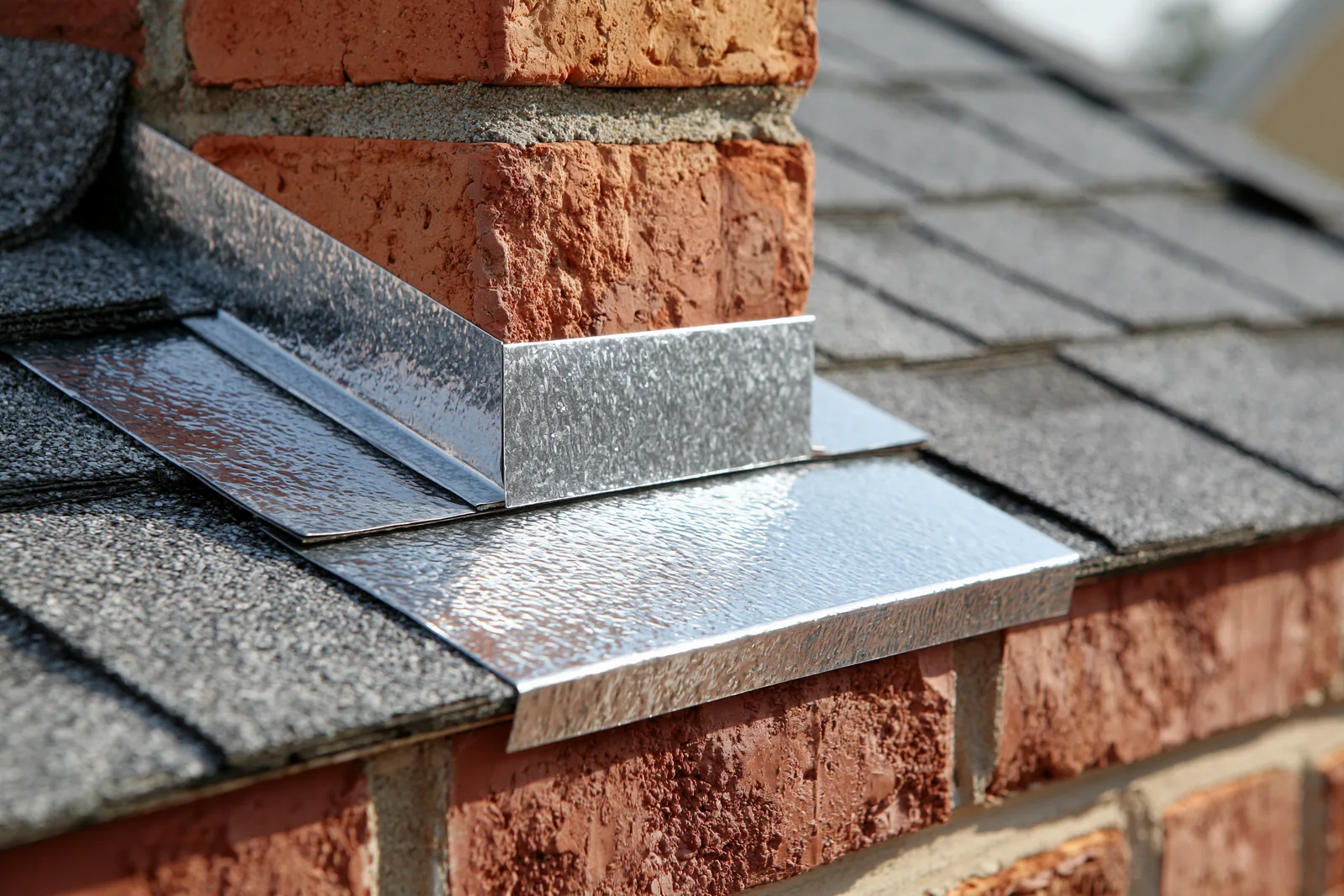
Match the flashing repair to the connection
The shape of the joint determines how it sheds water. These details are related, but their repairs are not interchangeable.
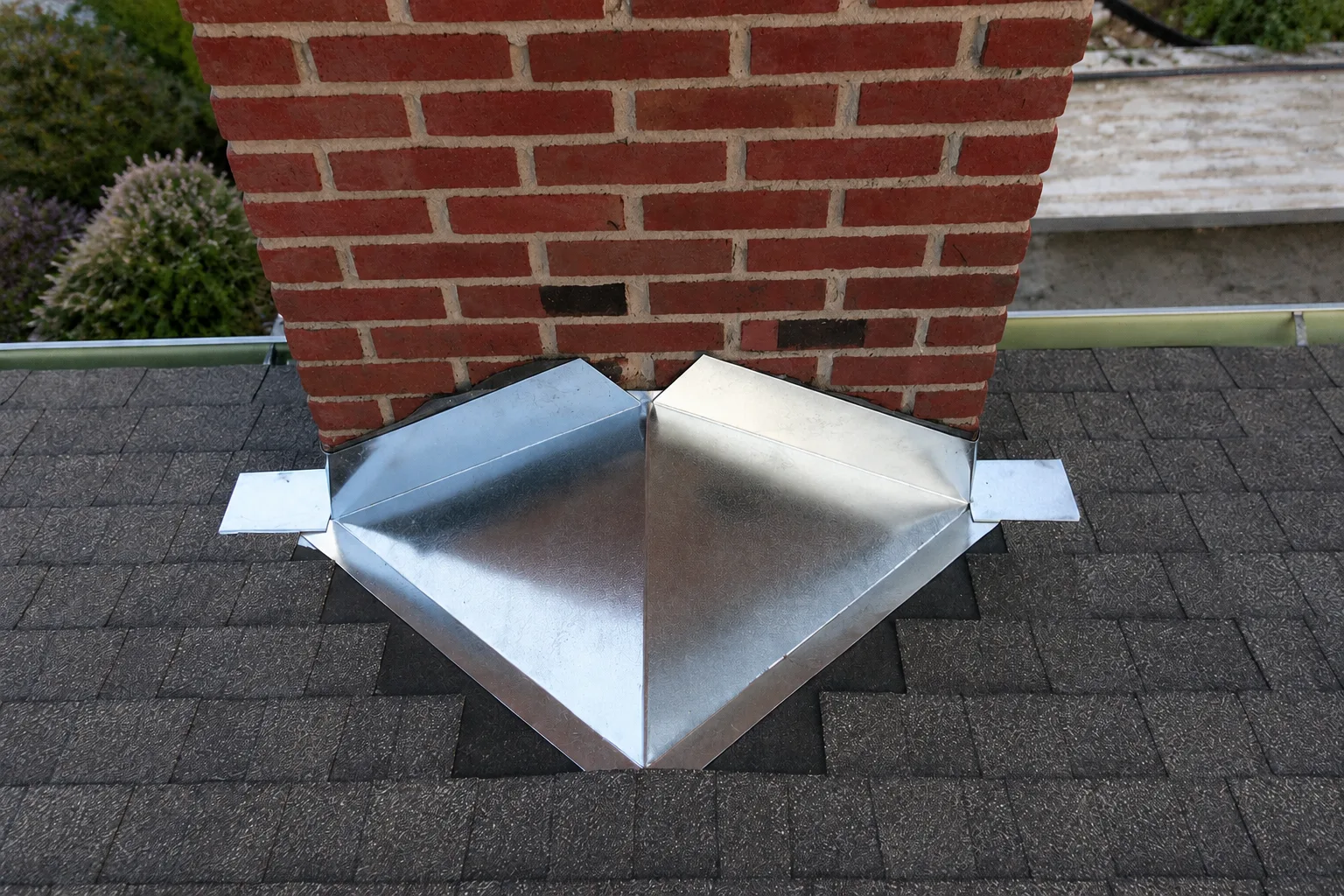
Open enough roofing to rebuild the lap
The part of the flashing that does the most work can be the part hidden under the next course. Rebuilding it often requires more access than the visible defect suggests.
Lift or remove adjoining courses
To restore an overlap, the repair must reach the layers above and below it. Sound shingles may be lifted and returned as appropriate; brittle or damaged pieces need replacement. Covering the outside with a strip of metal does not recreate the hidden sequence.
Check support and underlayment
Fasteners need material that will hold them, and the underlayment needs to connect around the opening. Deteriorated wood or torn protection can expand the repair boundary. We include that finding in the scope instead of concealing it beneath new flashing.
Keep the water moving outward
Metal laps, corners and terminations must send water onto the lower roof layer. A sealant may be required at a specific part of the detail, but it works within that construction. It cannot turn an inward-draining lap into an outward-draining one.
Coordinate flashing with roof or wall work
Flashing belongs in the conversation whenever the adjoining roof or wall is being opened. That is the opportunity to reach a failed connection without working around a newly finished surface.
- During roof replacement
We assess the condition, shape and integration of existing flashing. A sound usable piece is different from corroded metal or a poorly lapped joint. The replacement scope should identify which details are retained and which are rebuilt.
- Beside siding or masonry
Upper flashing may sit behind siding or connect into masonry. Opening and restoring those surfaces can require another trade. Coordinating the work prevents a new roof detail from ending at an unresolved wall opening.
- When a small repair becomes wider
Steep access, fragile adjoining material and hidden wood damage can increase the work around one joint. We explain the physical reason for that access so the size of the repair is understandable.
Roof flashing repair FAQs
Can failed flashing just be sealed?
Some details use compatible sealant in a specified location. If metal is missing, incorrectly lapped, corroded or detached from the wall, sealing its exposed edge does not rebuild the connection. The repair needs to address the fault underneath.
Can existing flashing be reused during a reroof?
Sometimes, if it is sound, compatible and can be integrated correctly with the new assembly. Existing flashing should be assessed deliberately rather than assumed reusable because it is still visible. Damaged or badly arranged details need replacement or reconstruction.
Why does the leak appear beside a wall?
Water can enter at the upper edge of roof-to-wall flashing or follow a concealed wall path. We check the roofing joint and surrounding materials; the indoor location alone does not establish whether roofing, siding or masonry is the source.
Why does a small flashing repair disturb nearby shingles?
The working laps sit beneath or between shingle courses. Access has to reach those connections, and some surrounding shingles may be too brittle to reuse. A small opening can therefore require a wider area of removal.
Repair the connection, not just the visible gap.
Tell us about the leaking wall, chimney, valley or pipe opening. We can inspect the detail and explain how a sound repair connects to the roof around it.