Storm Damage Roof Repair in Hurst, TX
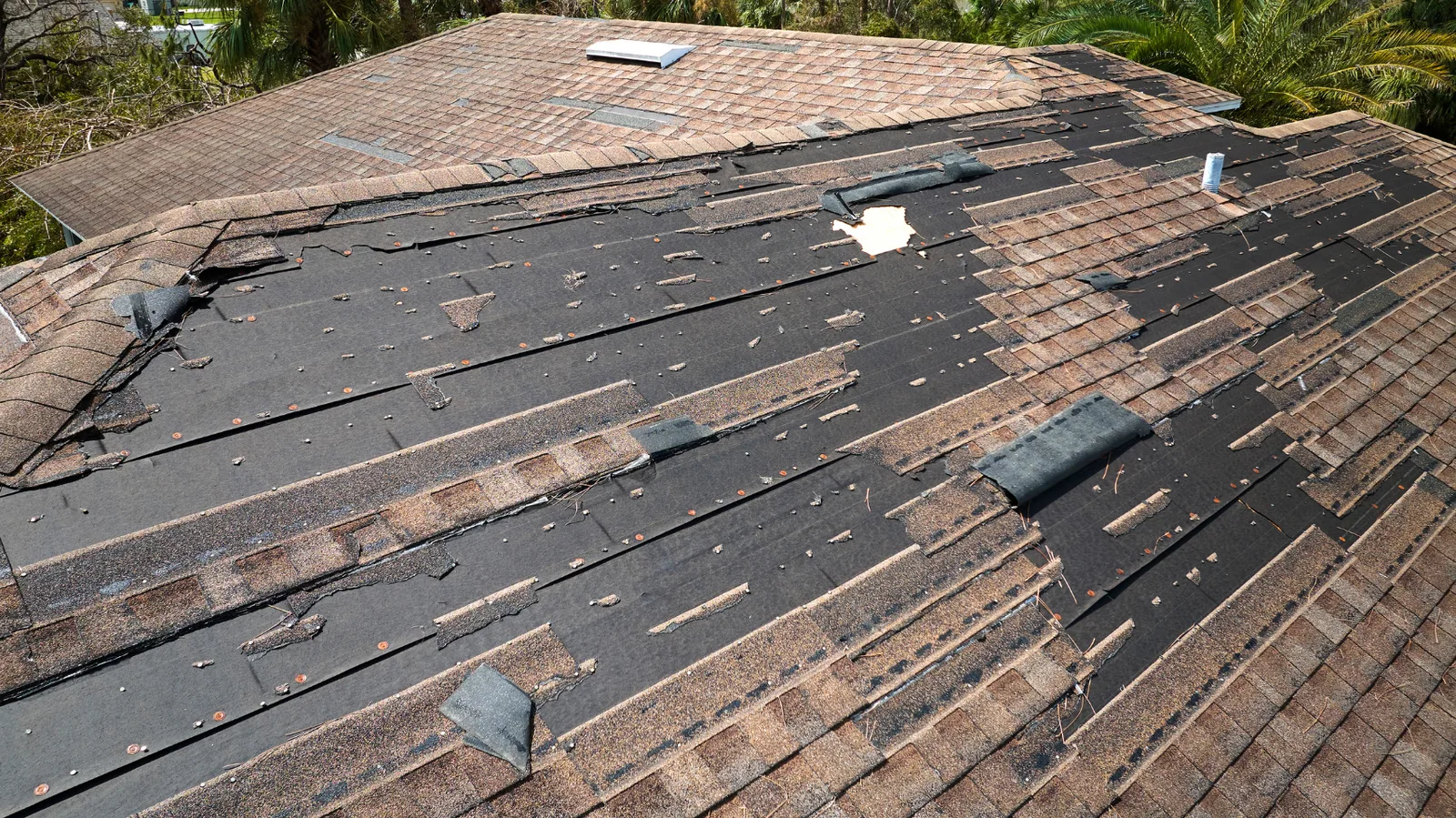
Wind can lift a shingle. Hail can damage its surface and reinforcement. An inspection helps establish what happened to your roof and what needs repair.
Assess your Hurst roof after wind or hail
Shingles in the yard give you a clear reason to look at the roof. Hail marks can be less obvious, and a roof does not have to be leaking for a damaged detail to need attention. We inspect the covering, its attachment and the exposed components around it before defining the work.
Wind displacement and hail impact are different mechanisms. A lifted shingle can leave an opening in the water-shedding layer; an impact can affect a shingle’s reinforcement even when much of its granular surface remains. We consider the actual condition and the roof around the affected area.
A storm report or a neighbor’s new roof cannot establish the condition of your property. Tell us what you noticed and when. A free roof inspection is the place to begin, with safe access and a roofing recommendation based on what is found.

Different storm marks call for different work
The visible mark helps direct the inspection. Its effect on the roof determines the repair.
Check the parts around the shingles
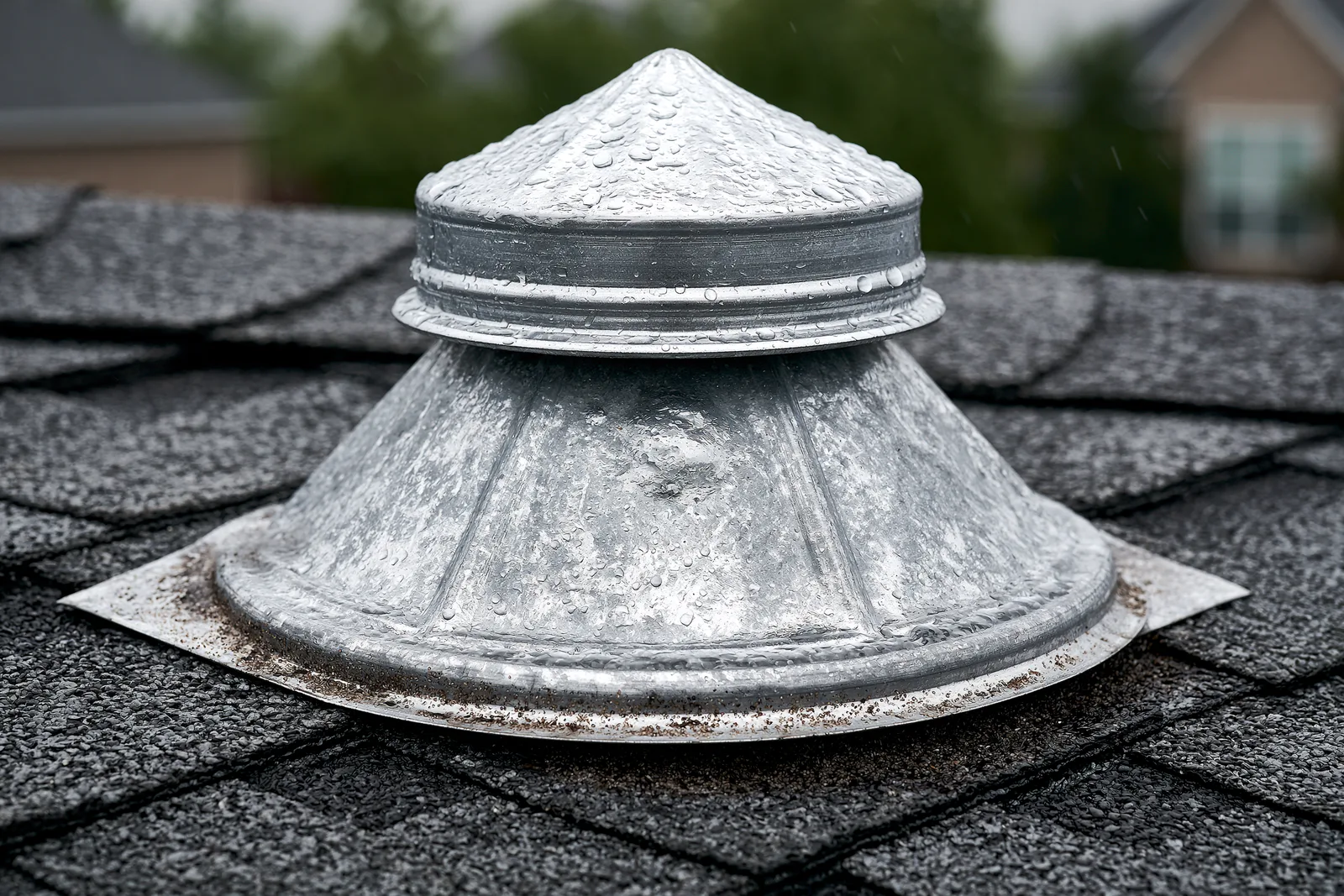
The roof is interrupted by vents, walls, ridges and drainage details. Damage to one of these can matter even when the main slopes still look complete.
Ridge and roof edges
Cap shingles and perimeter pieces protect places where the covering ends or changes direction. Missing material can expose joints beneath it. We look at their attachment and the adjacent covering, rather than stopping at the middle of a slope.
Vents and flashing
A struck vent or displaced flashing can open a water path around a penetration. Its base and the material over and under it need checking. A replacement top alone may leave a disturbed lower connection.
Gutters and runoff
Dented or pulled gutters can retain water or separate from the fascia. We check whether runoff still reaches an outlet and whether the roof edge has been affected. Gutter work and shingle work may be separate parts of the same storm repair.
Move from storm inspection to roofing work
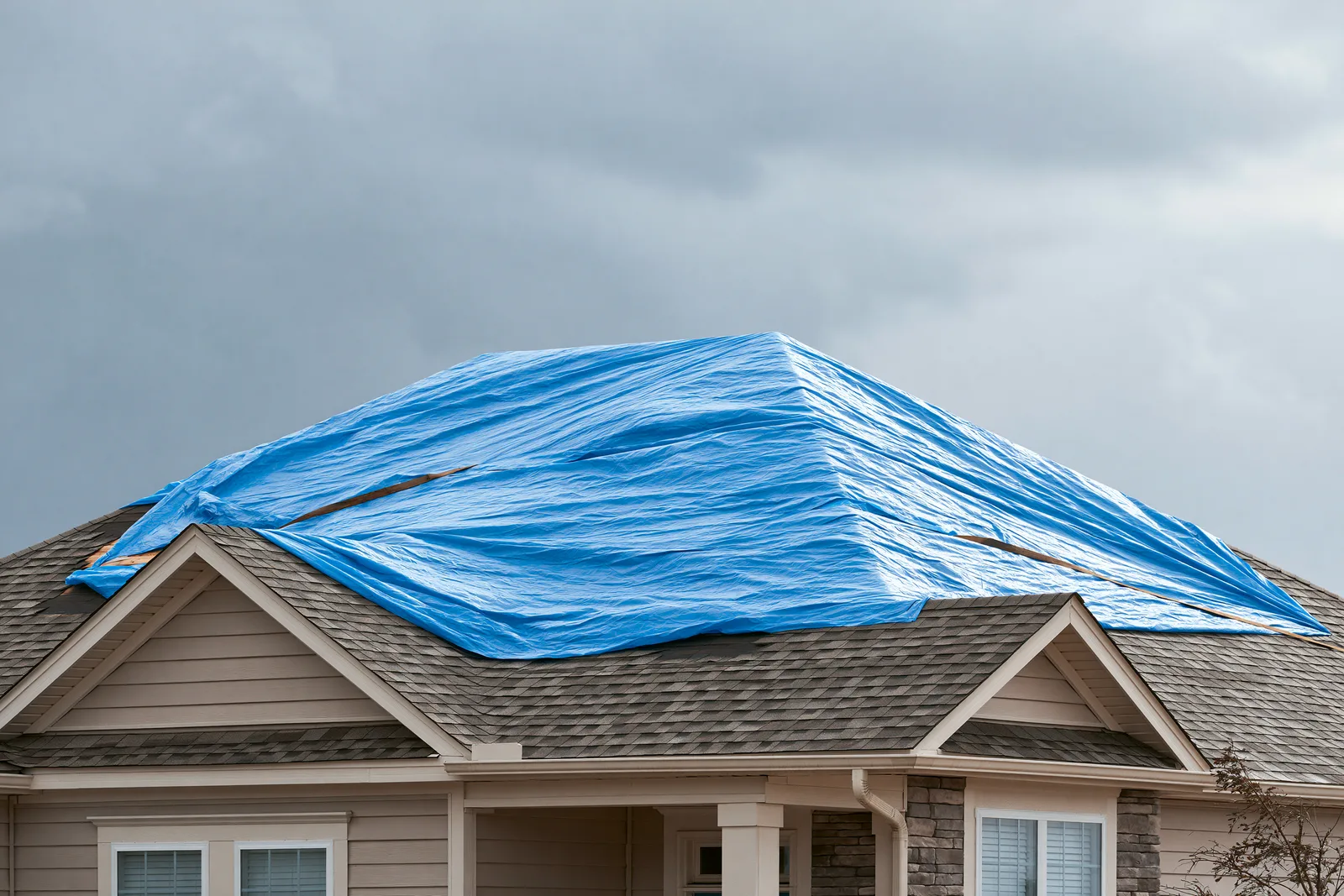
Permanent work follows the assessed damage. An active opening may also need temporary protection while the final scope is settled.
Make access safe
Weather, roof stability and any nearby electrical or tree hazard determine when access is possible. Keep clear of sagging ceilings and damaged roof areas. Temporary protection is considered when it can be installed safely.
Define the damaged area
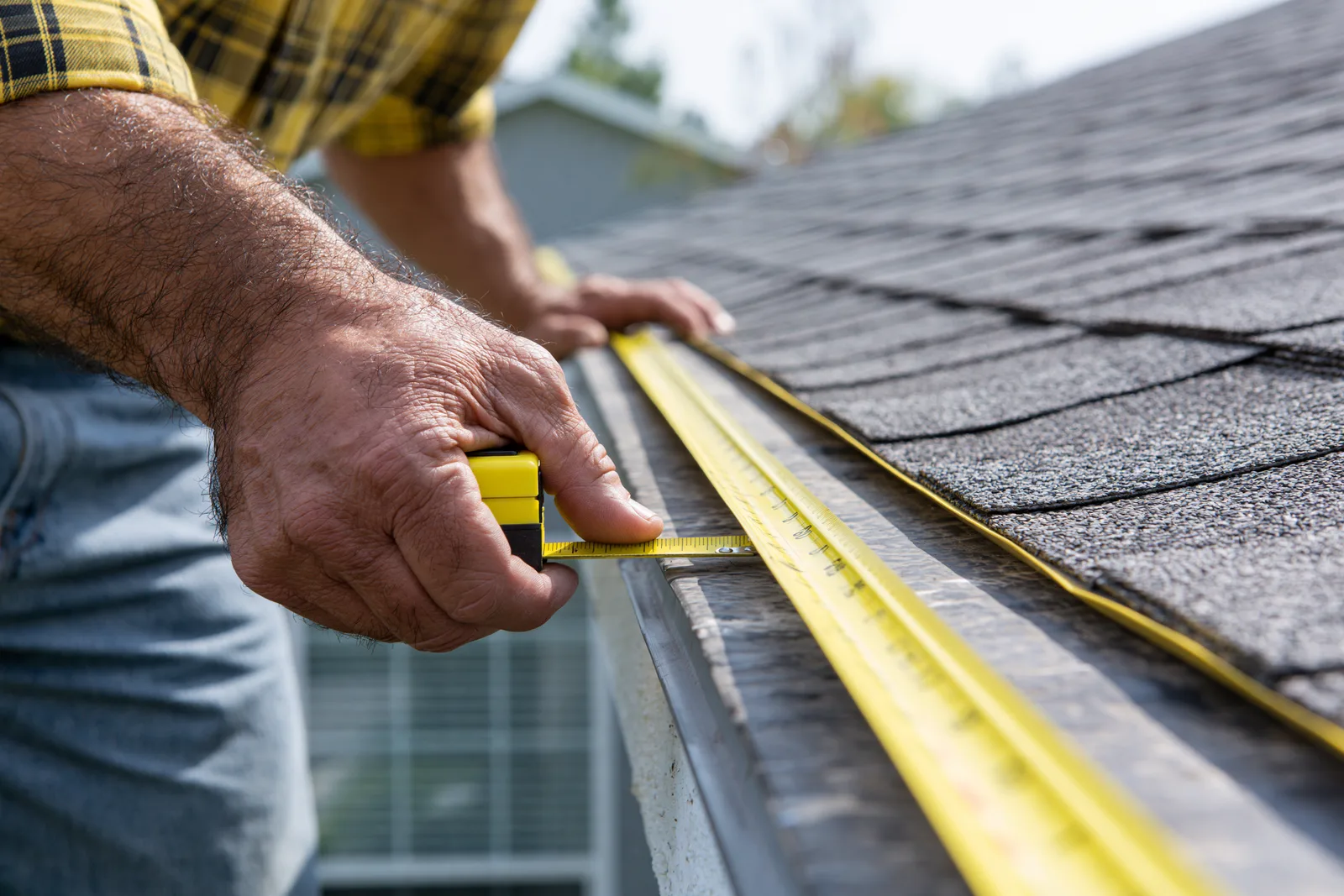
Check the visible damage, adjoining material and relevant connections. A compatible local repair needs sound material to join; widespread damage or brittle surrounding shingles can make replacement the more useful comparison.
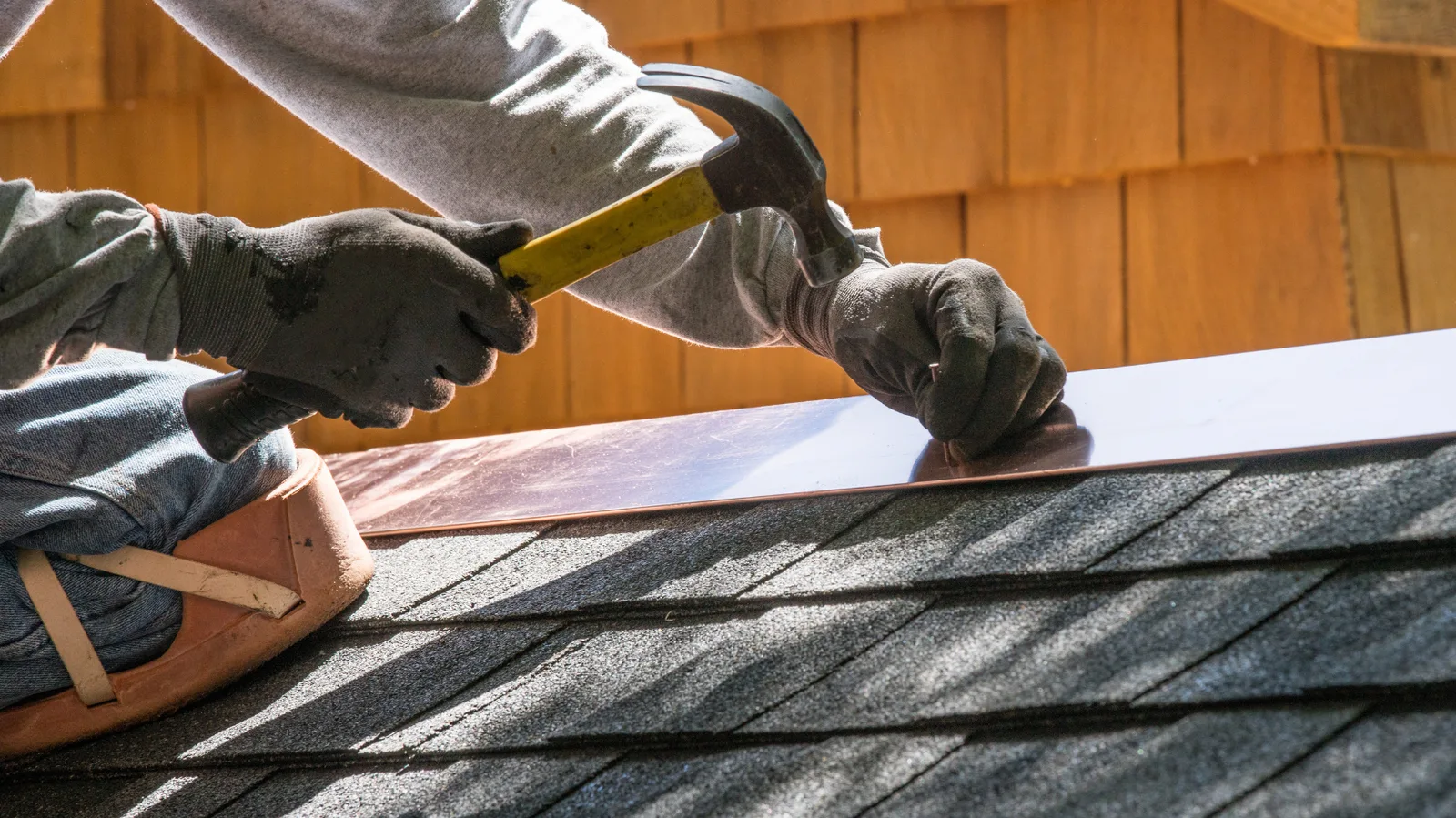
Complete the agreed roof work
Repair covering and details as a connected assembly, including affected underlying material. Material choice, access and any required inspections shape the sequence. The scope should explain both what is repaired and what remains.
Keep the roof decision separate from insurance payment
Roofing work addresses physical damage. Insurance payment depends on the covered cause and the policy. The two decisions need to be understood together without treating one as proof of the other.
Texas Department of Insurance guidance explains that ordinary age and wear do not qualify a roof for replacement payment simply because it needs work.
- Cause and policy terms
The insurer considers the loss, exclusions and policy language. A roof inspection can explain condition and repair needs; it does not approve a claim.
- Your share of the bill
A wind or hail deductible, depreciation and payment terms affect what you pay. A contractor’s offer to waive the deductible is not a legitimate way to reduce that obligation.
- A useful next step
For the distinction between replacement cost, actual cash value and roofing scope, read the roof insurance guide. Report damage promptly to the insurer when pursuing a claim and follow its reporting requirements.
Storm damage roofing FAQs
Should the roof be checked if it is not leaking?
Yes, if you noticed a change after the storm or suspect damage. A displaced component can need work before water reaches the room. The inspection assesses the actual roof rather than assuming every roof near an event was damaged.
Do dents prove that the roof needs replacement?
No. A dent can be cosmetic or can affect a component’s function. The shingle covering, metal details and roof connections need their own assessment; dents in one item do not establish the scope for everything else.
Can displaced shingles be repaired?
Yes, when compatible replacements can connect to sound surrounding material and the affected layers can be repaired. If damage is widespread or nearby shingles break during access, the practical scope becomes larger.
Does a storm inspection establish insurance coverage?
No. The inspection informs the roof repair decision. Coverage is determined under the policy and claimed cause by the insurer, and existing wear or exclusions can change the outcome.
Find out what the storm left behind.
Tell us what changed at the property. We can inspect the roof, explain the damage found and discuss repair or replacement where the condition calls for it.