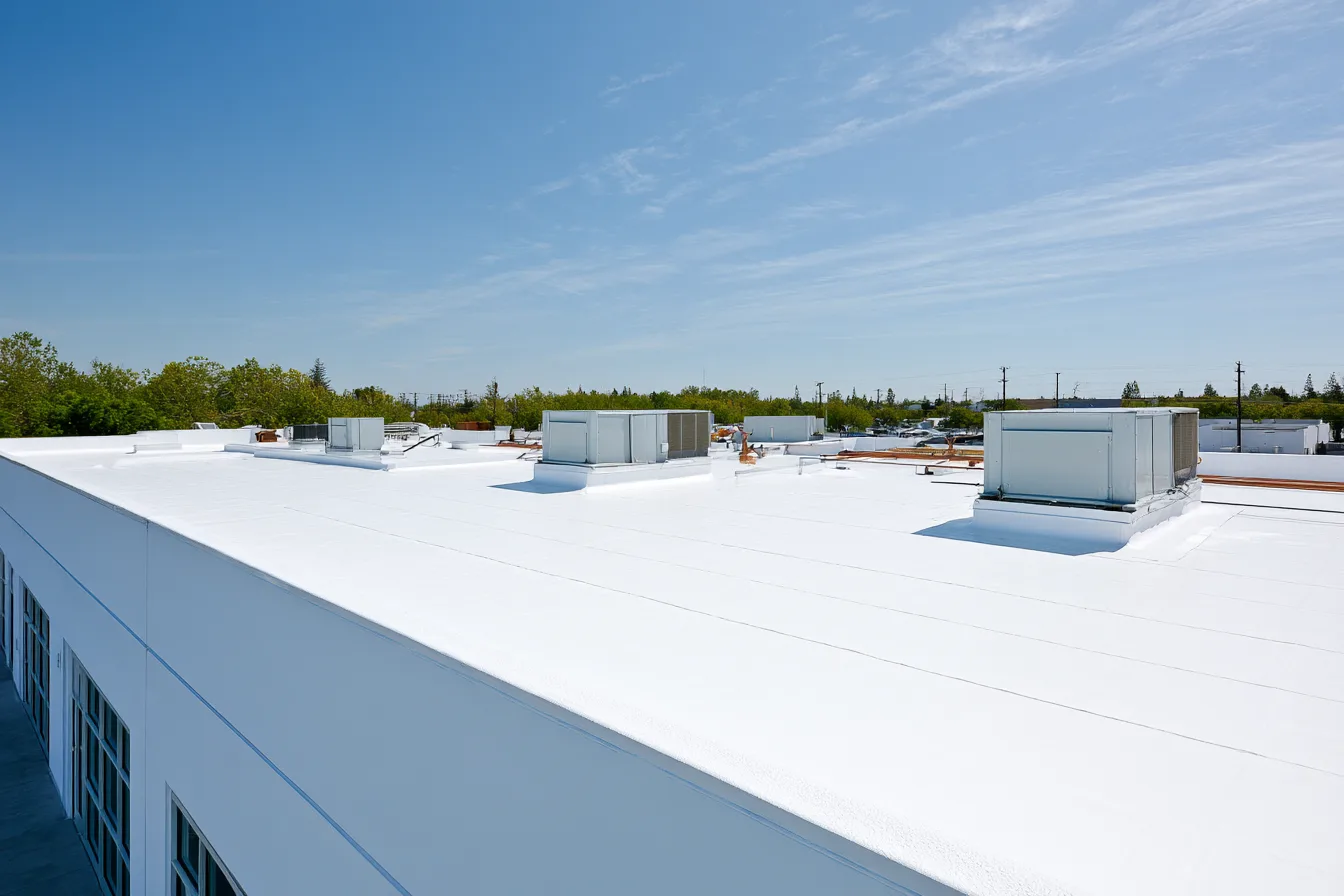
TPO roofing
Assess heat-welded seams, field membrane and details around curbs and equipment.
Explore TPO roofing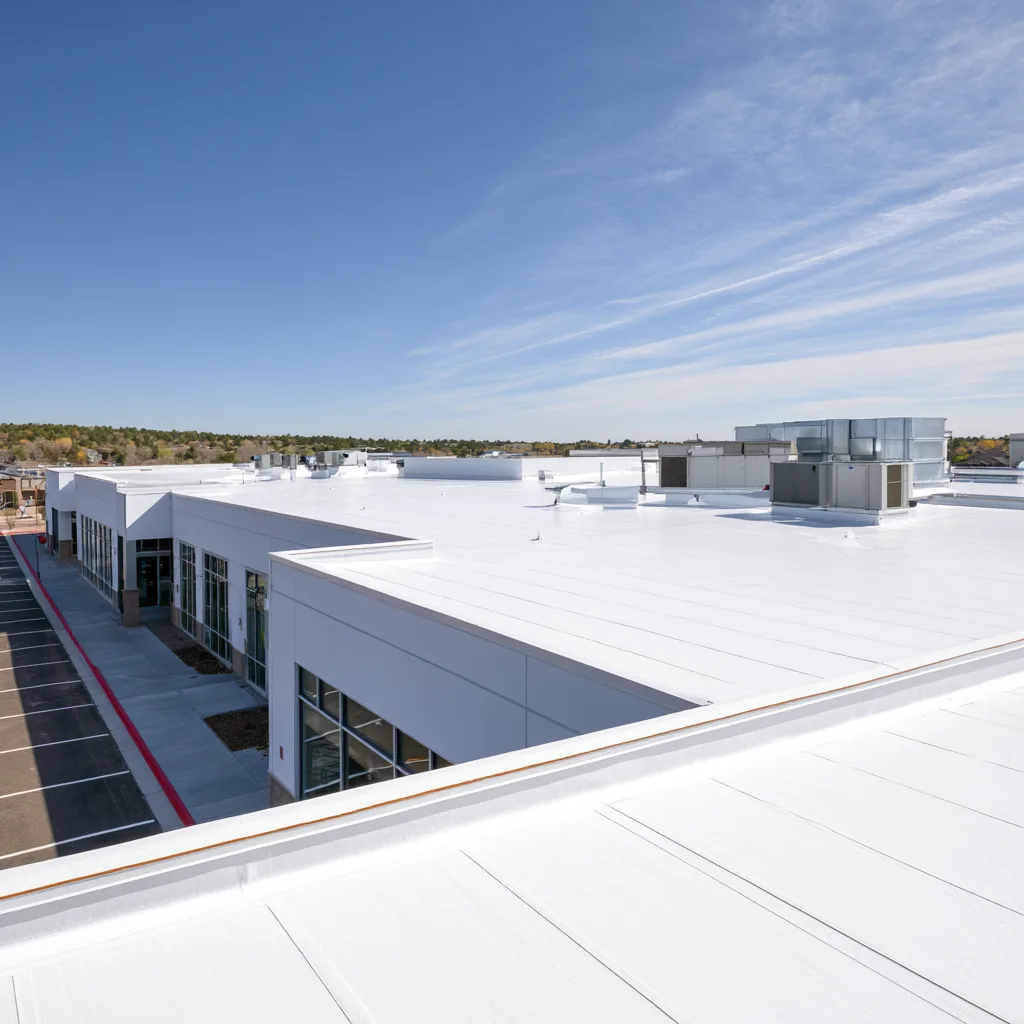
Resolve leaks, evaluate restoration and plan replacement with the building’s daily use in view.
A roof leak over a stockroom, workspace or tenant entrance is a building problem before it is a roofing project. The damaged area needs attention, and the proposed work has to fit the activity happening below it.
We assess the roof as a system: the membrane and its connections, the water’s route to drains or gutters, and the support and insulation beneath the covering. An open seam can be repairable while the surrounding roof remains useful. Wet layers or deteriorated attachment change that choice.
Tell us the building address, the roof concern and any access restrictions. A free roof inspection is the starting point for deciding whether repair, restoration or replacement is the sensible next investment.

Each option has a different job. The existing roof has to support the proposed work.
The coating or membrane manufacturer’s requirements and the actual roof findings govern which system can be specified.
Explore the roof system or work you are considering. Each page explains its own preparation, limits and building implications.
Assess heat-welded seams, field membrane and details around curbs and equipment.
Explore TPO roofing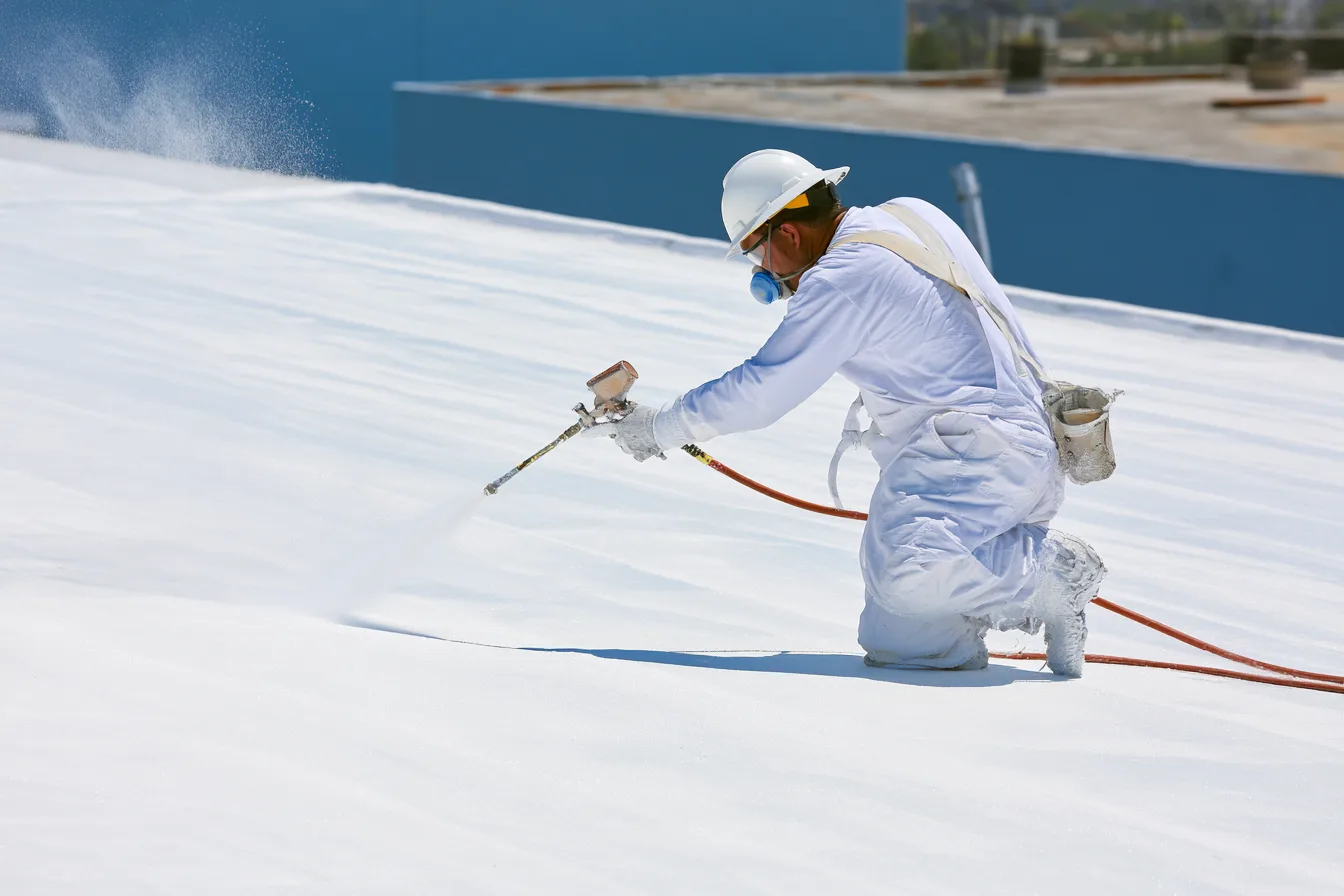
Find out whether a sound, dry roof can support restoration and what must be repaired first.
Explore roof coatings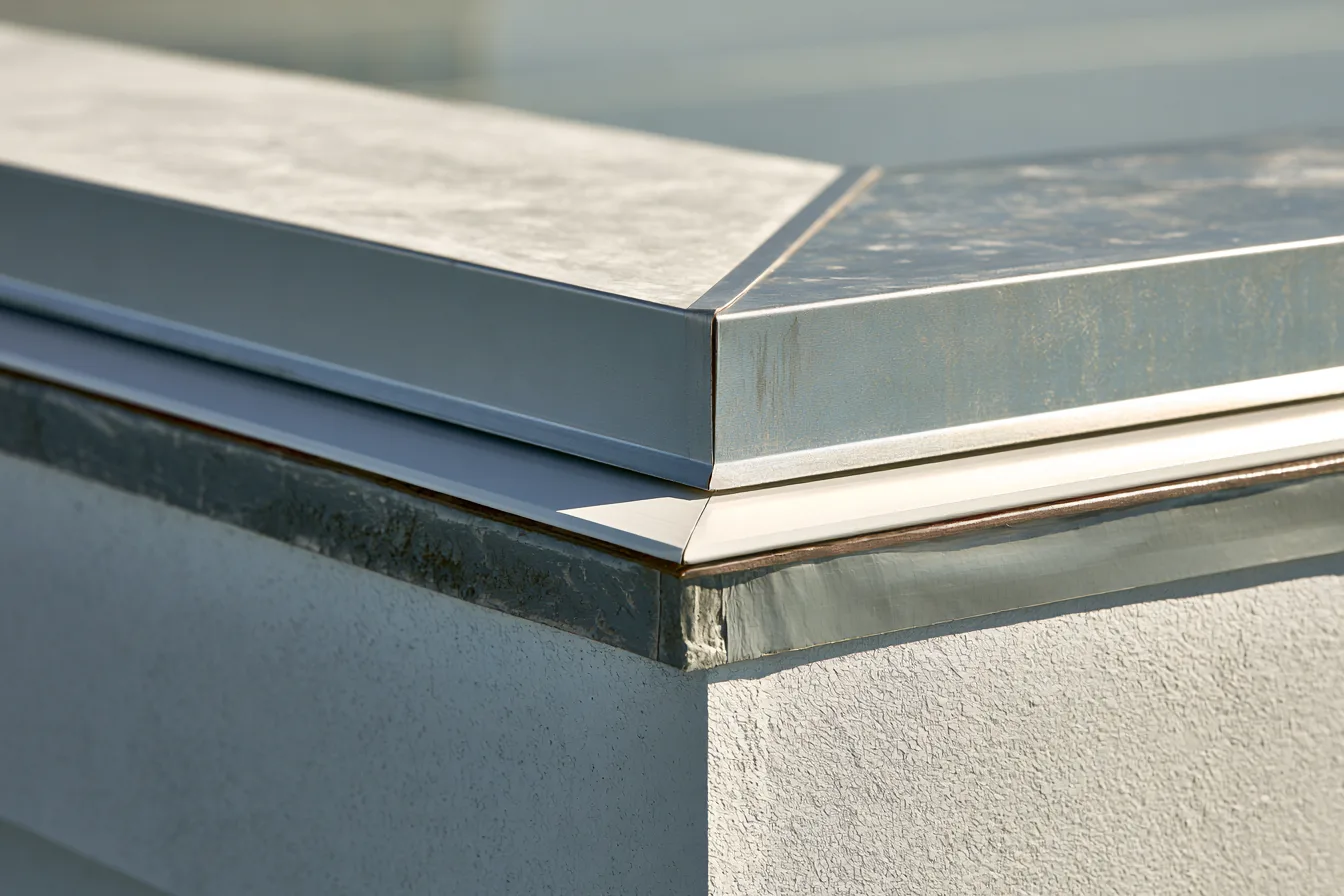
Address membrane openings and drainage details without leaving wet layers hidden below.
Explore flat roof repair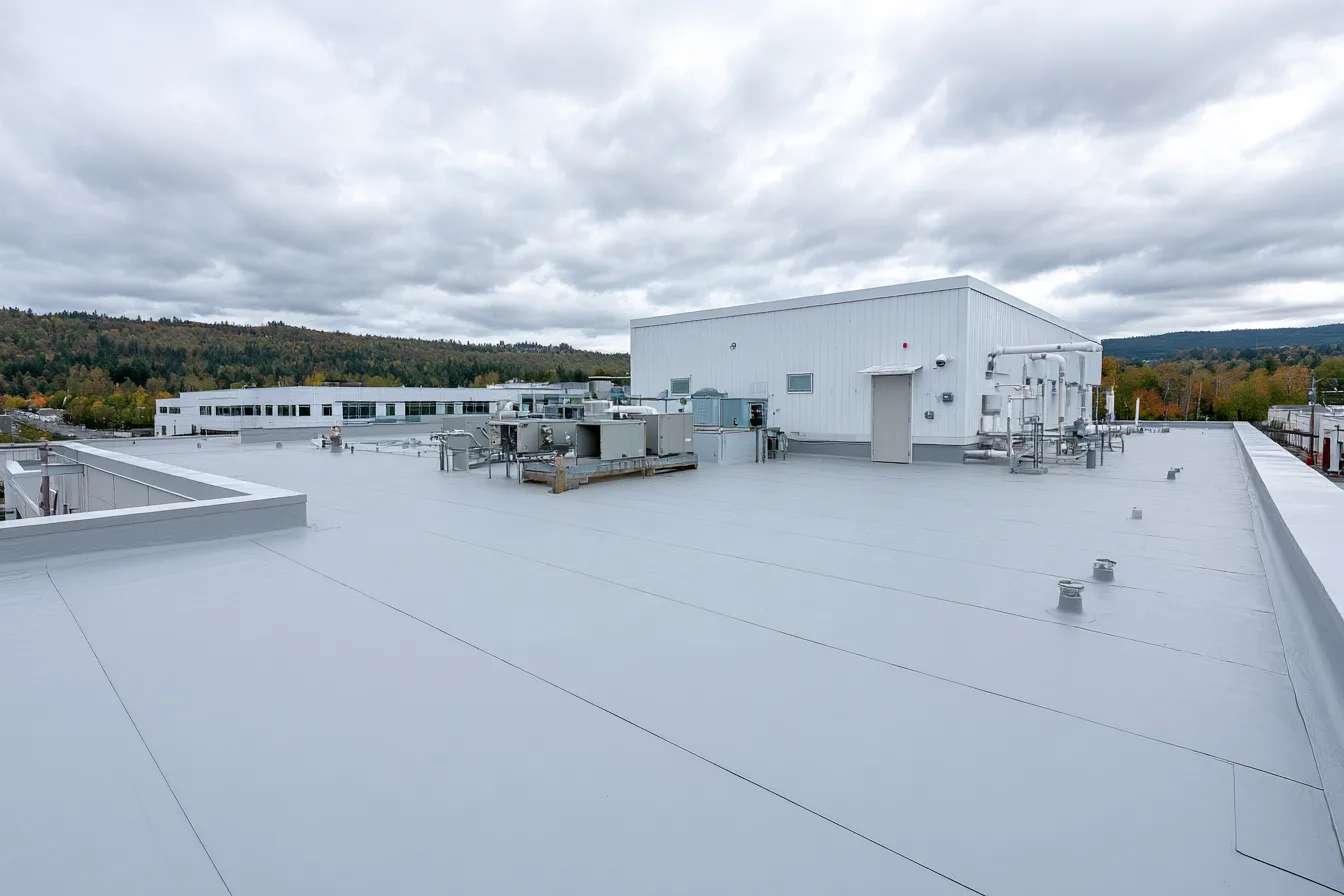
Rebuild a worn system with the deck, insulation, drains and equipment transitions in view.
Explore flat roof replacement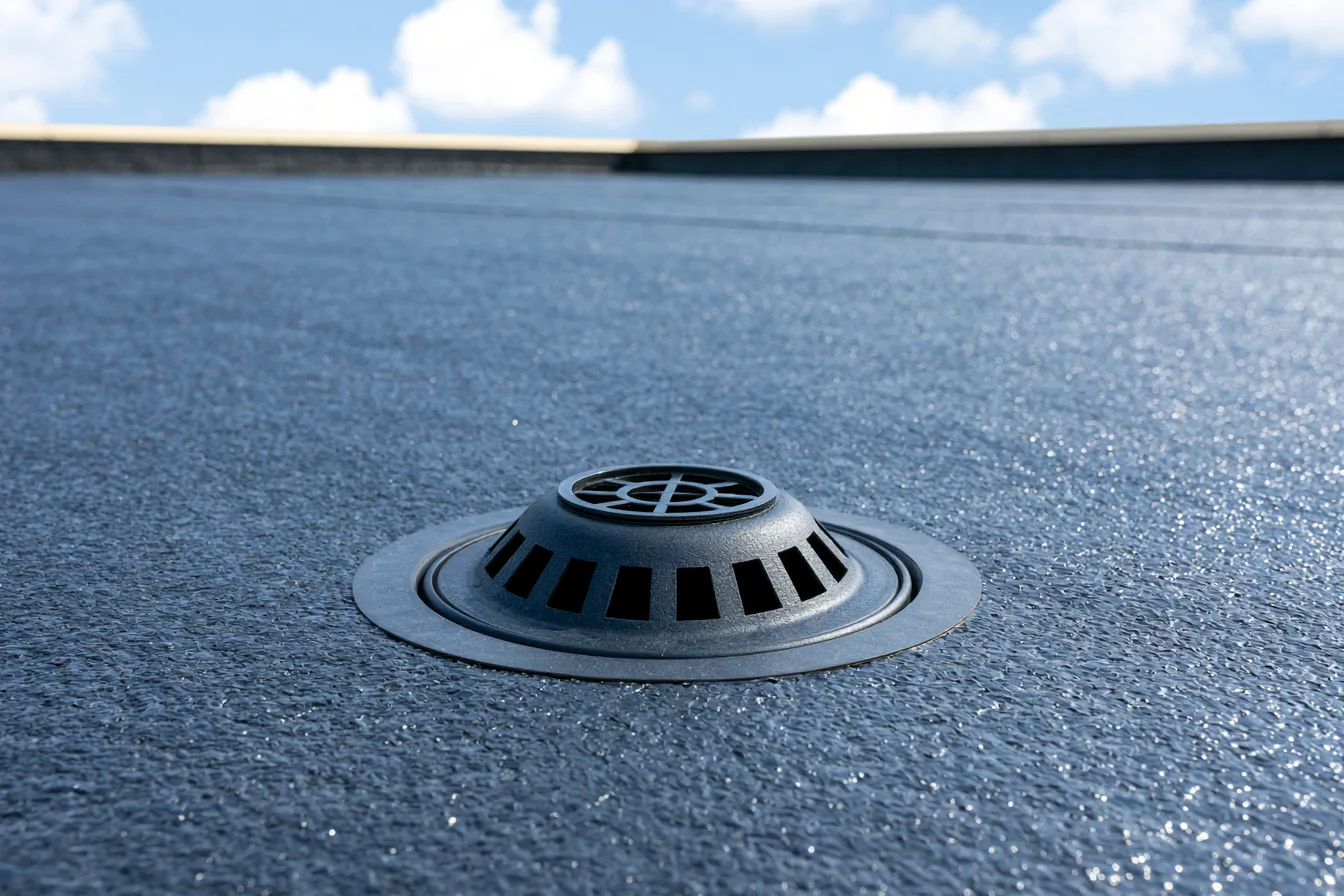
The field of a low-slope roof can look continuous from a distance. At drains, equipment curbs, pipes and perimeter edges, that surface has to turn, terminate or join another material.
We examine the details associated with the leak and look at the roof’s water flow. A clean drain does not eliminate a low area that holds water; a surface patch does not dry saturated insulation beneath it.
Service traffic can damage the covering or disturb a detail around a unit. The proposed repair has to account for future equipment access and compatible walkway protection where needed.
Debris, damaged drain details and inadequate slope are different problems. Persistent ponding can call for changes to the water path or tapered insulation as part of wider work.
Moisture assessment and, where appropriate, investigation of the layers below help establish what can remain. New material needs a substrate and attachment that can support it.
The roofing plan should make sense for the people using the property. These practical decisions affect staging, phasing and the work area.
Identify the customer, staff and delivery routes that need to remain usable. Material lifts and removed roofing need a staging area that keeps required exits clear.
Units, pipework, electrical connections and condensate lines can limit access or need coordination with the appropriate trade. Roof work should not leave those interfaces as an afterthought.
The use of the rooms below affects noise, odor and protection needs. Weather exposure and the extent opened at one time belong in the work sequence.
Wet insulation, deck repair, edge height, equipment density, drainage and removal all affect the project. An area-only price cannot settle those conditions.
A coating system can be part of a suitable restoration, after the roof is qualified and failed details are repaired. Wet insulation, unsound material and poor adhesion have to be addressed first. Coating over those problems leaves them in the roof.
That depends on the roof, access, work method and what happens inside. Occupied buildings need a plan for entrances, deliveries, equipment and weather protection. We discuss those needs when the work is being assessed.
No. Several membranes and coatings can look white from above. Material identification matters because the preparation, seam method and compatible repair products differ.
Yes. A free inspection can help you understand the visible condition and plan roofing work. The assessment may identify a need to investigate concealed layers before a restoration or replacement decision.
Tell us the roof concern, property use and access needs. Request a free commercial roof inspection.