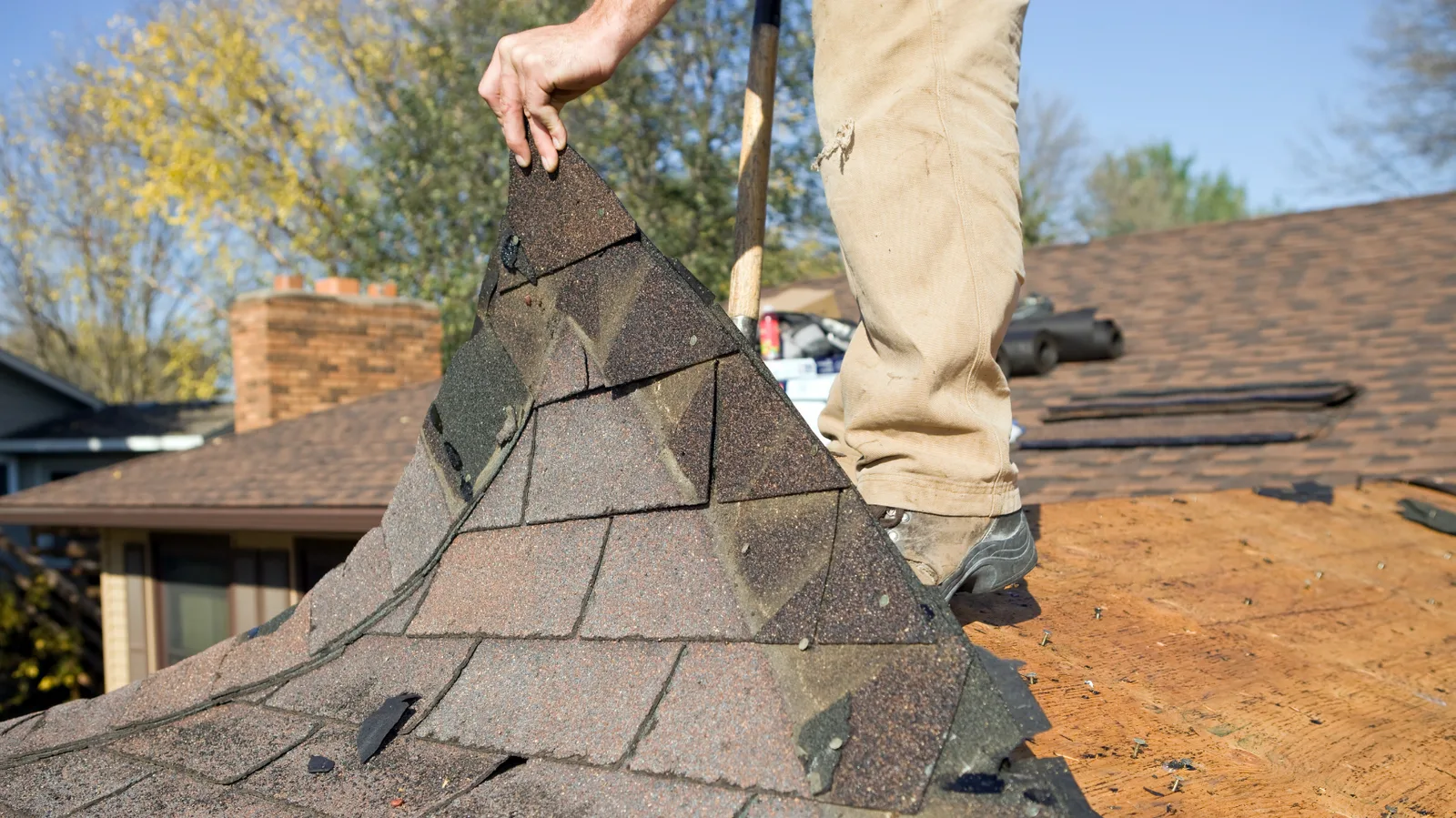
Roof replacement
Replace worn or widely damaged roofing, with the deck, flashing and ventilation considered together.
Explore roof replacement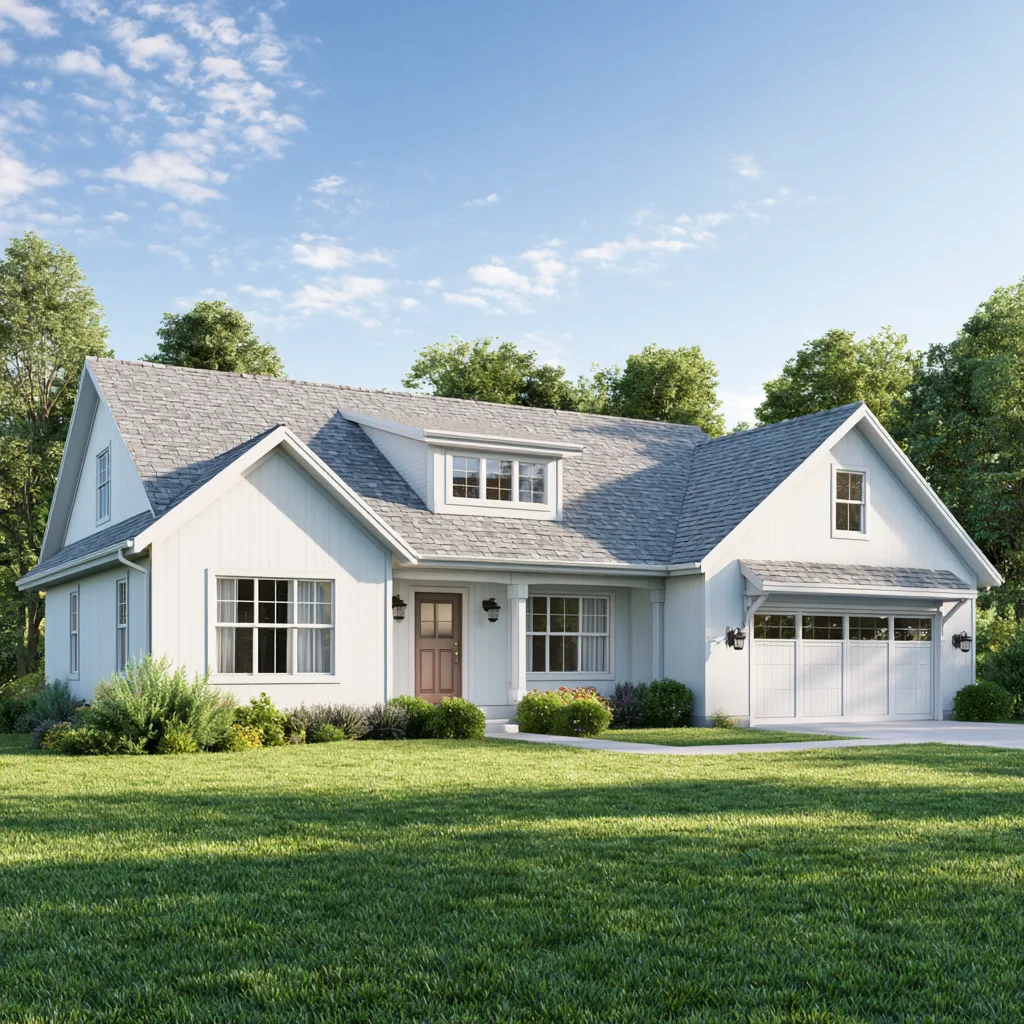
From a stubborn leak to a complete reroof, find the work that fits your home or commercial property.
A roof concern can involve one detail or several connected parts. These services cover the roof covering, water-shedding connections and roof-edge drainage.
Replace worn or widely damaged roofing, with the deck, flashing and ventilation considered together.
Explore roof replacement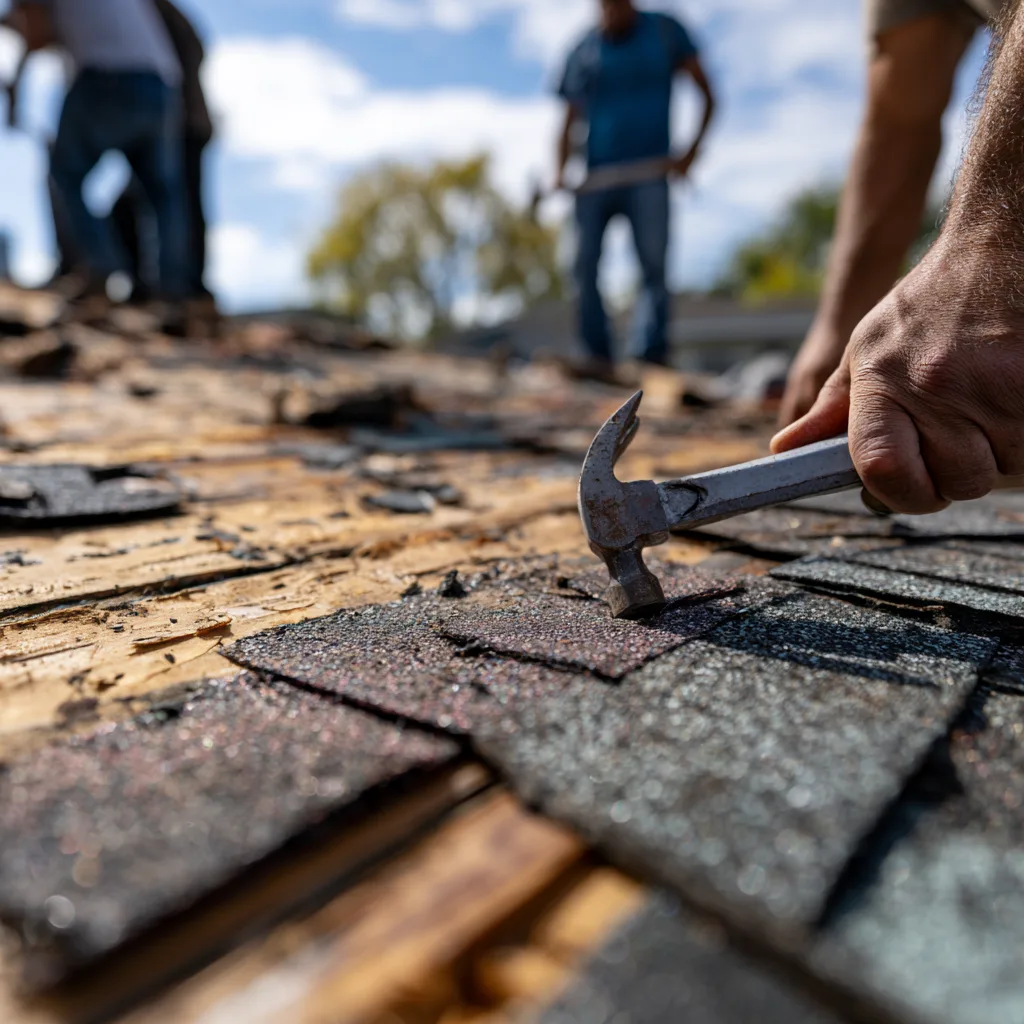
Reconnect a damaged part of the roof to sound shingles, flashing and decking.
Explore roof repair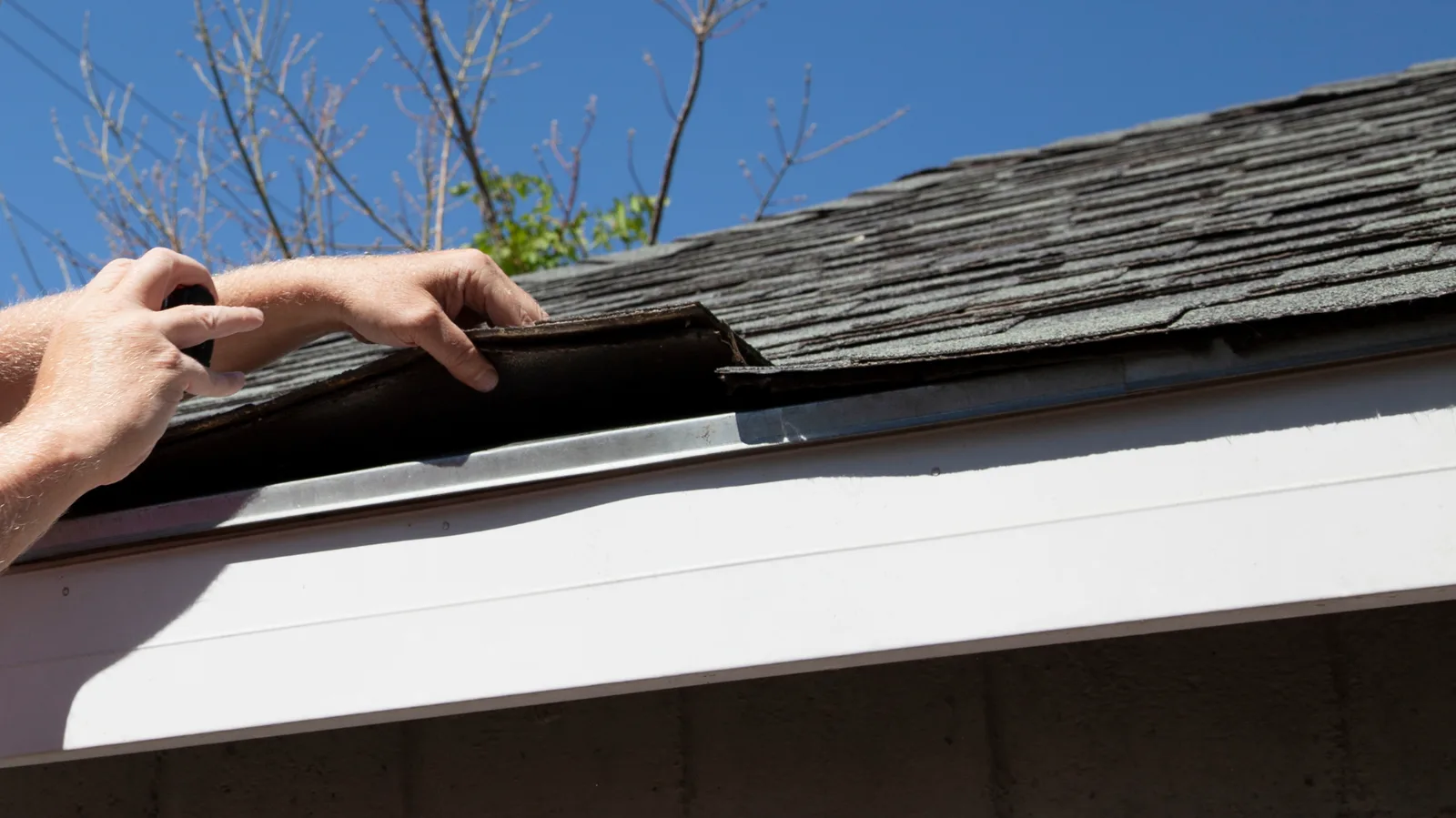
Get a free roof walk and a clearer understanding of the condition before choosing work.
Explore roof inspections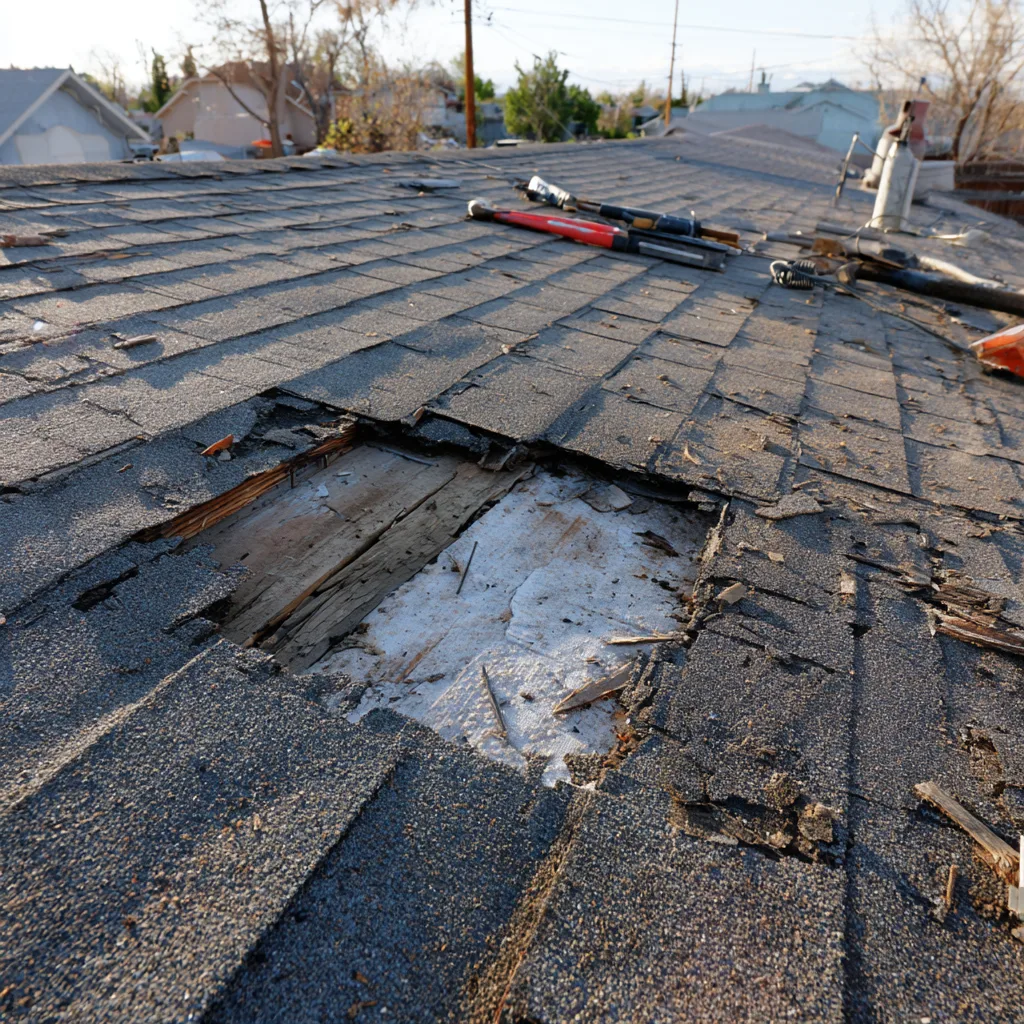
Find the entry point when water inside the house does not line up with an obvious roof defect.
Explore roof leak repair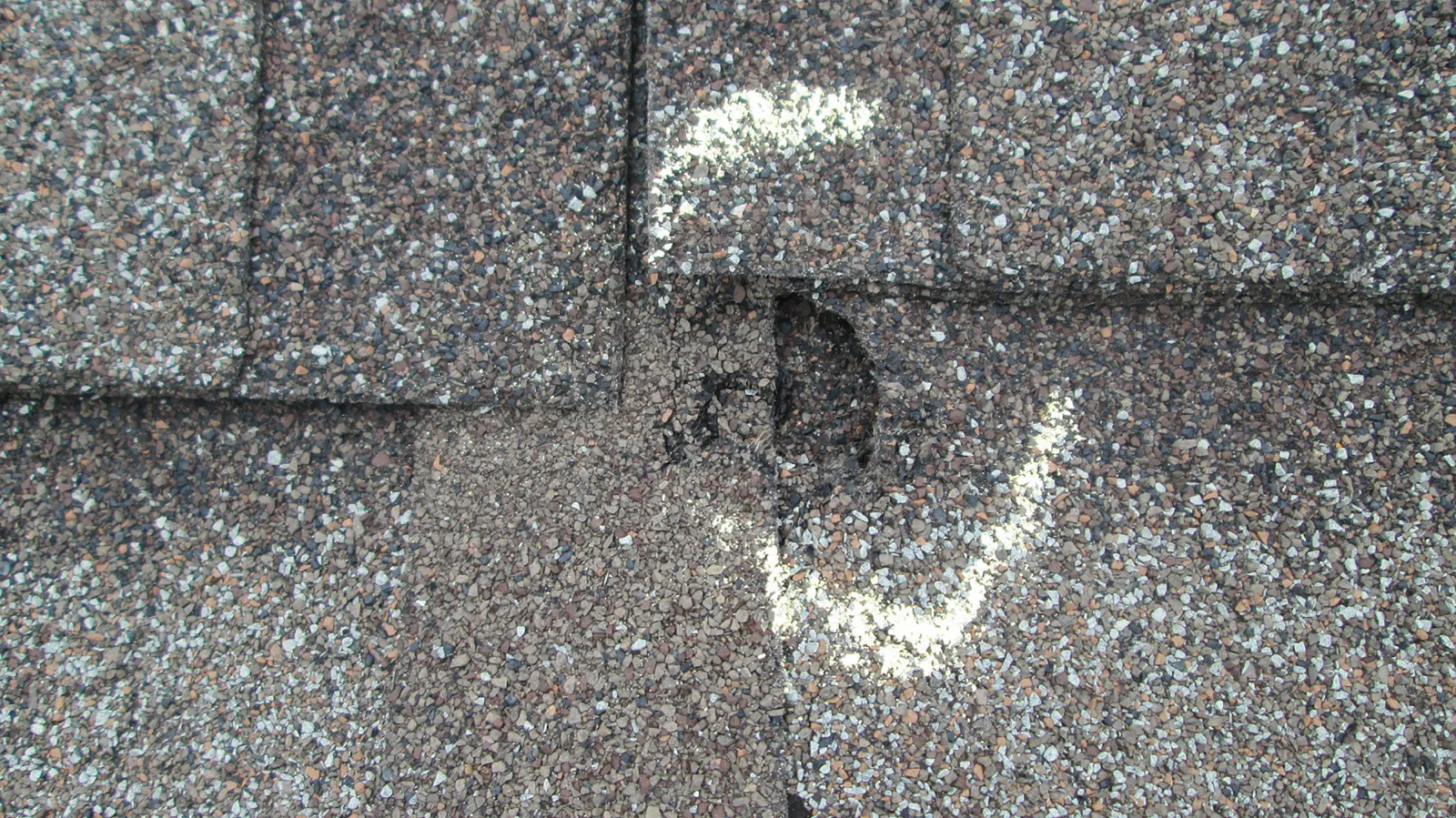
Check lifted shingles and impact damage, then separate repairs from the insurance decision.
Explore storm damage roof repair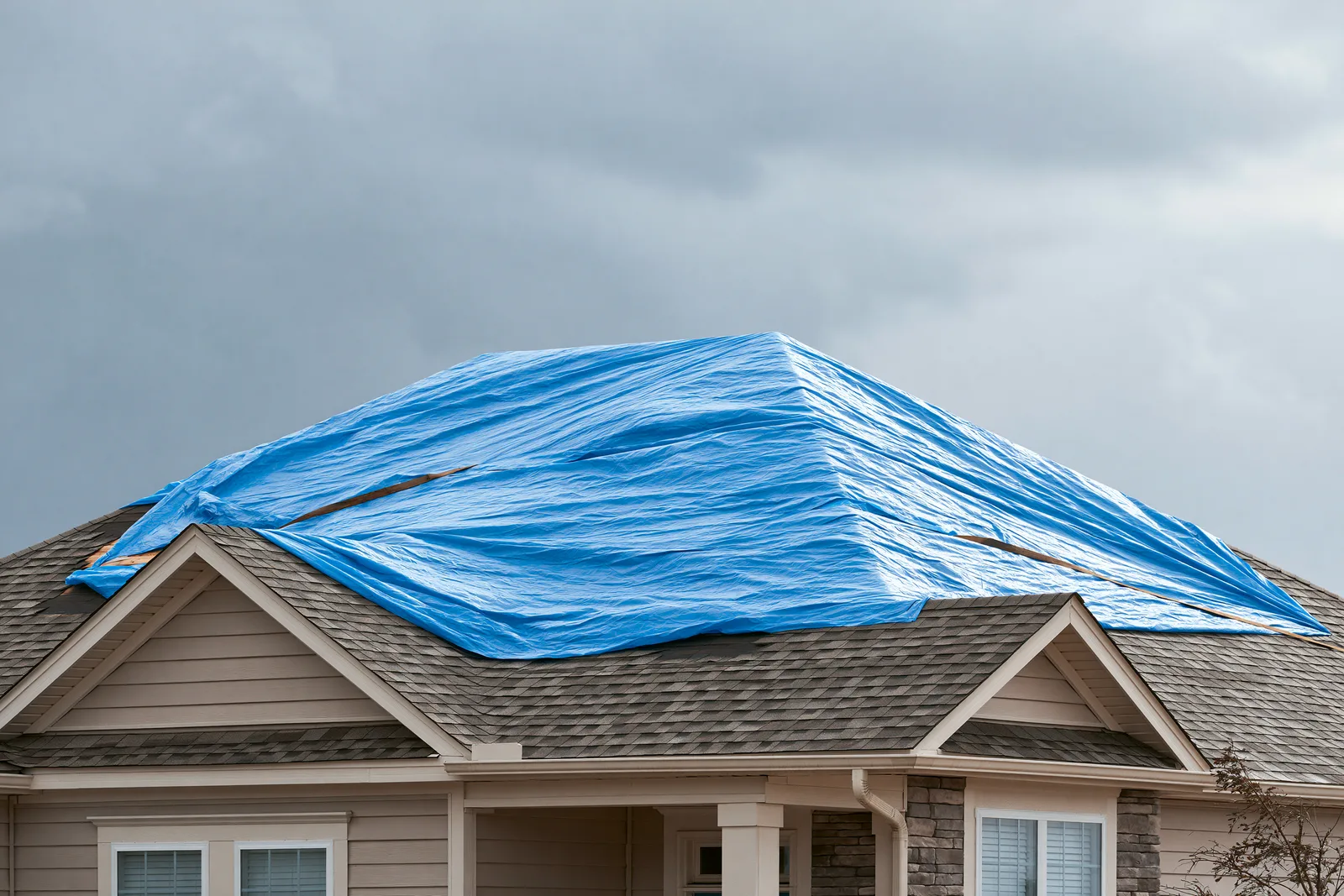
Discuss active water entry, temporary protection and the permanent repair that follows.
Explore emergency roof repair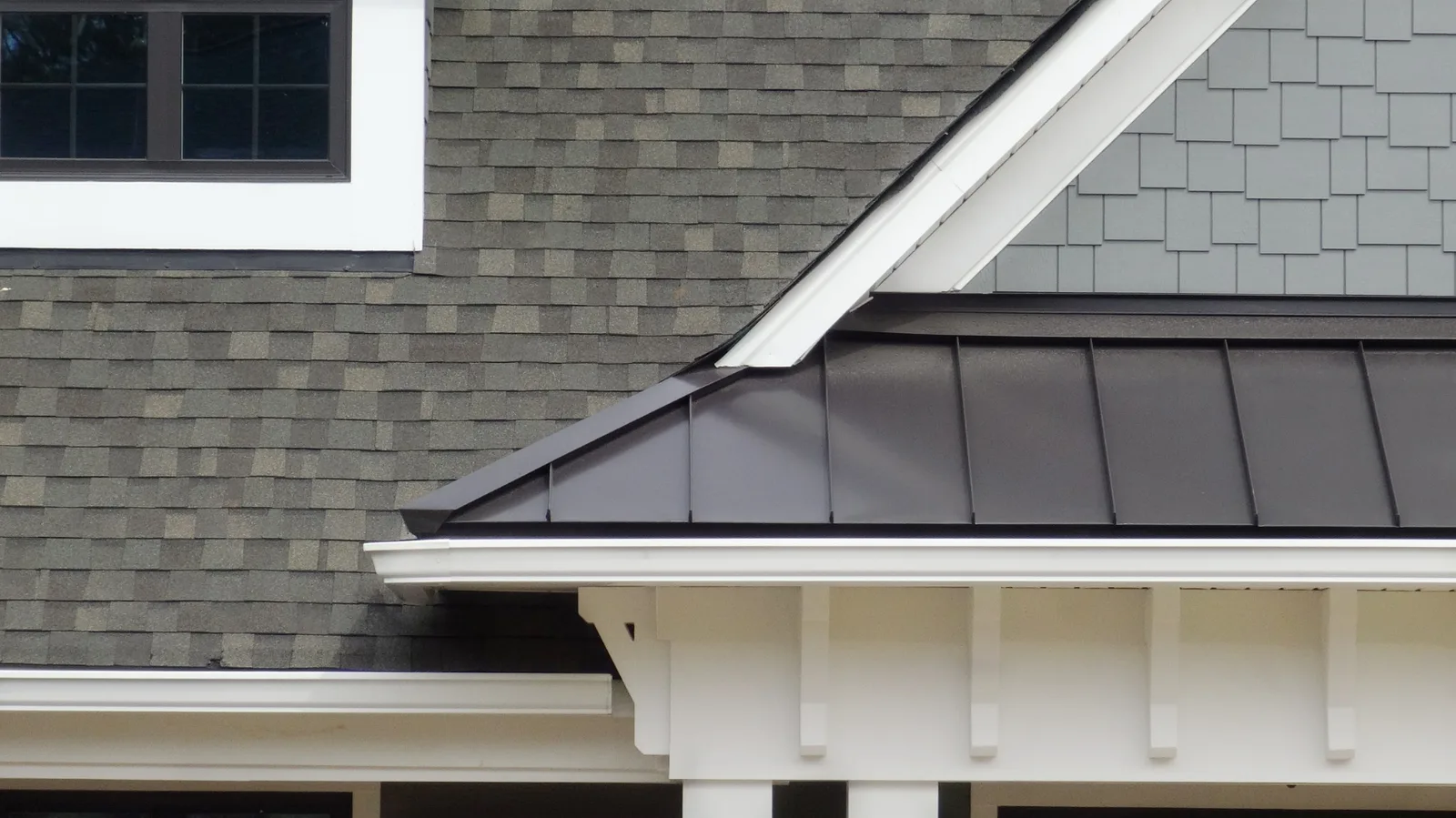
Repair the water-shedding details around walls, chimneys, pipes and roof transitions.
Explore roof flashing repair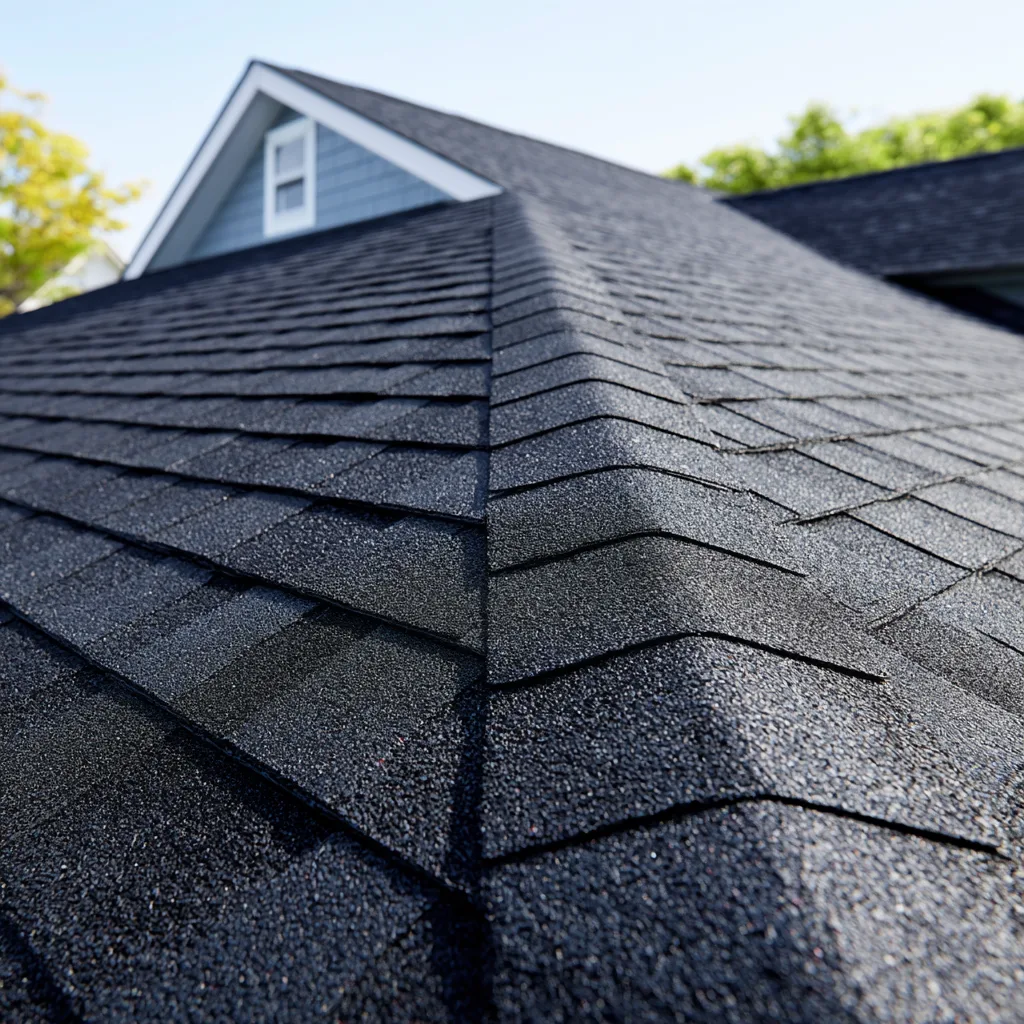
Compare shingle construction and build the surrounding layers to suit the selected system.
Explore asphalt shingle roofing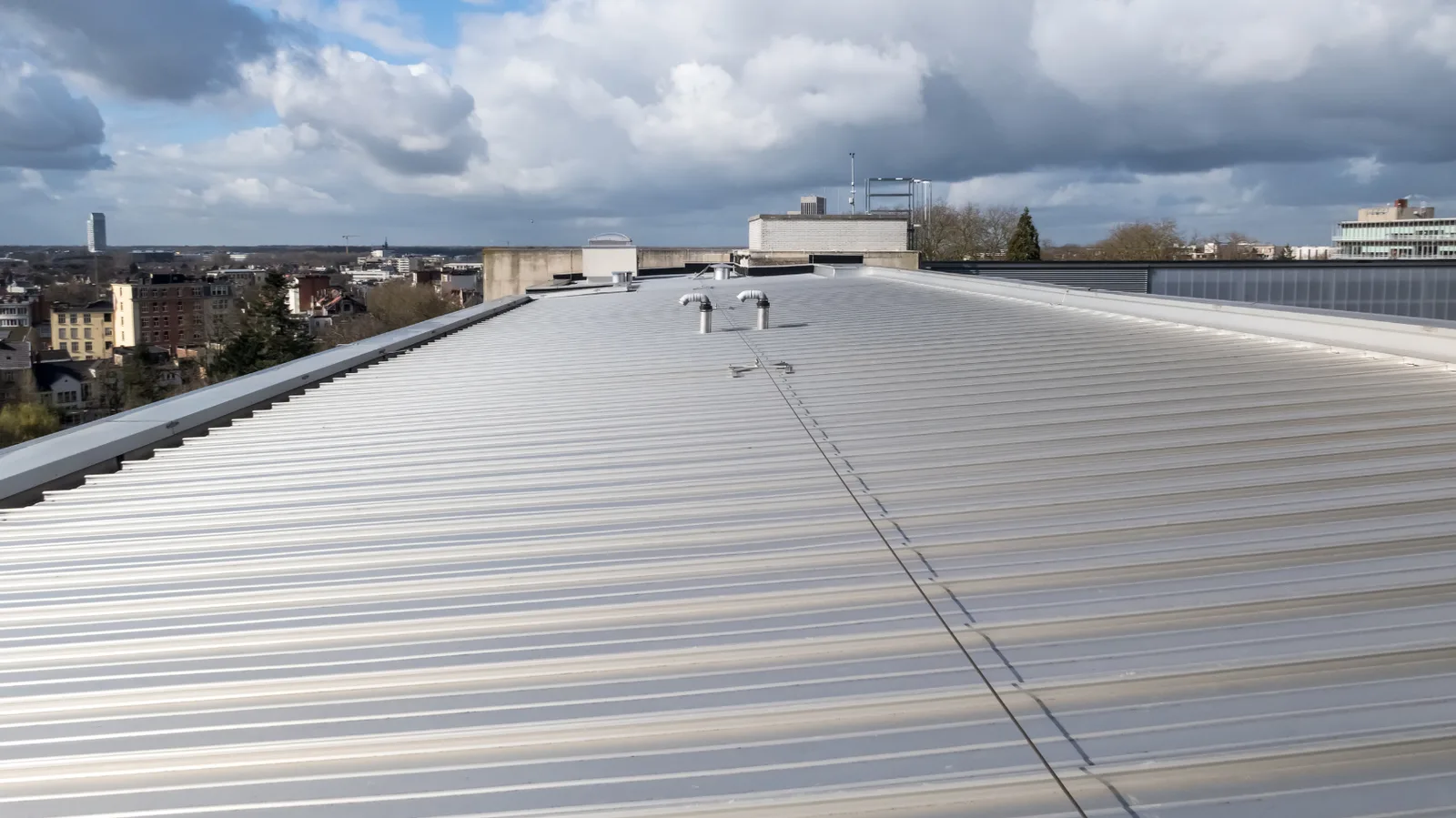
Plan panels, seams and penetrations that accommodate movement and shed water.
Explore metal roofing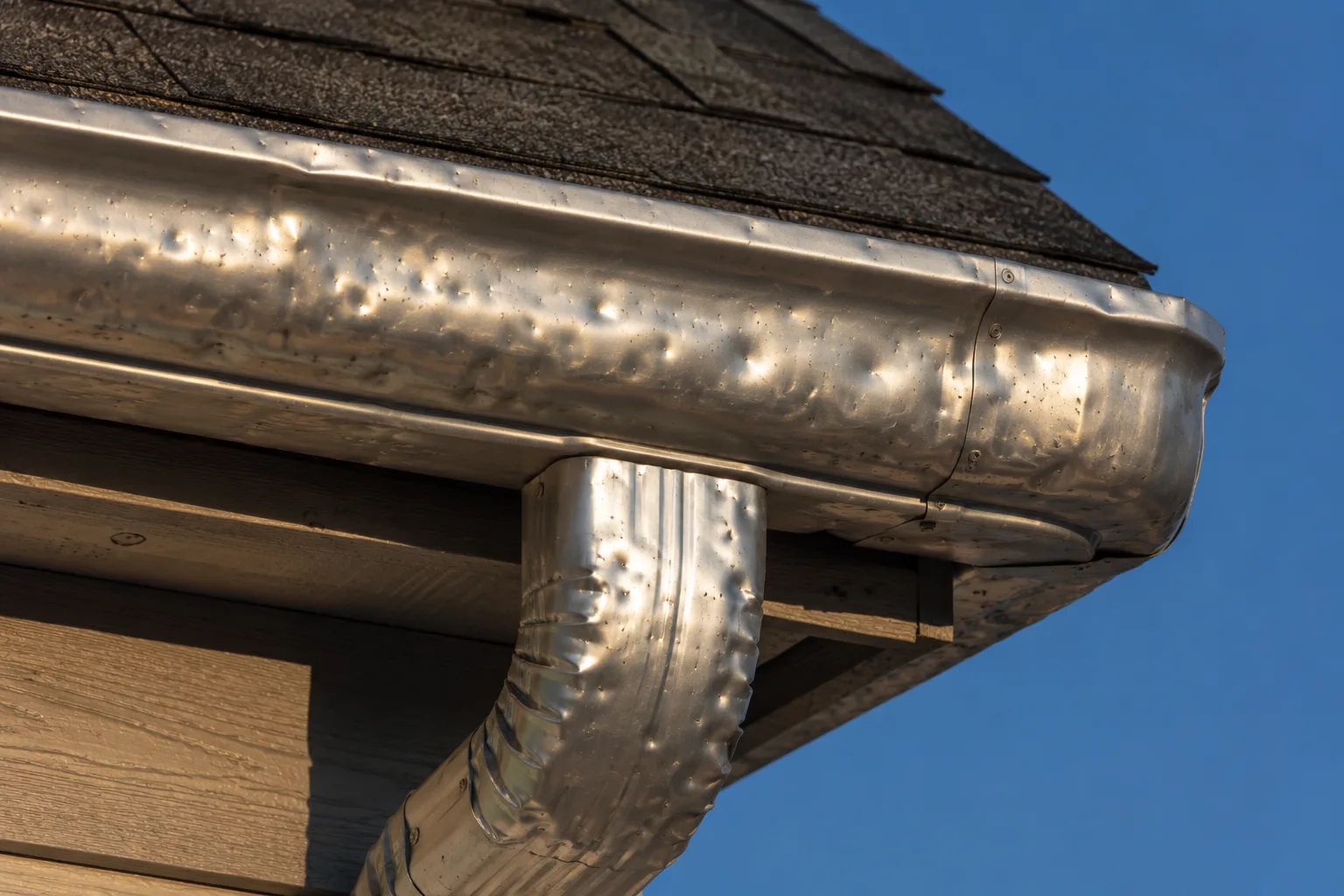
Carry roof runoff through sound gutters and outlets; address the fascia when it affects the work.
Explore gutter installation and repair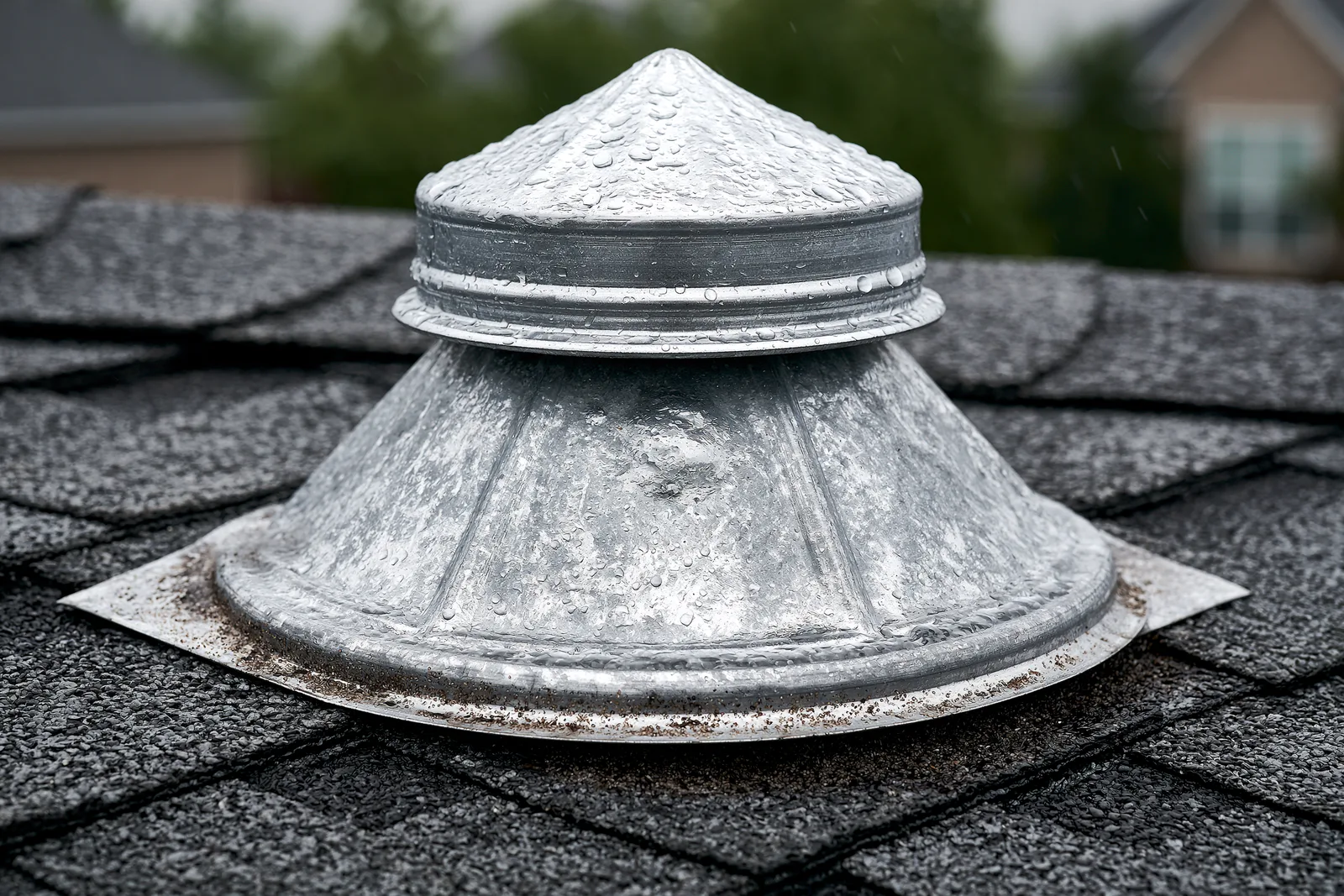
Consider intake and exhaust together when attic airflow or roofing work raises a concern.
Explore roof ventilationFor an occupied business property, the roof decision also has to account for access, equipment and the work happening below.
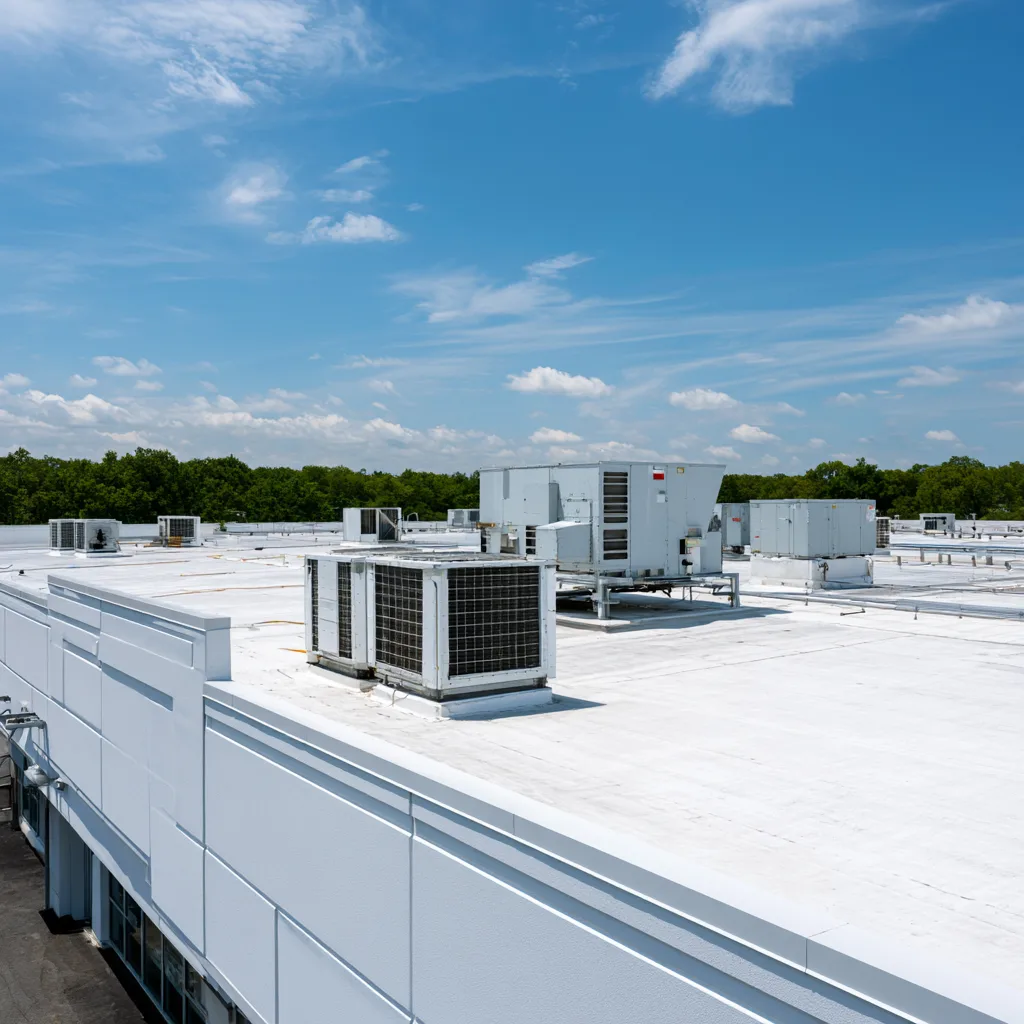
Plan work around the building, its occupants and the condition of the whole roof system.
Explore commercial roofing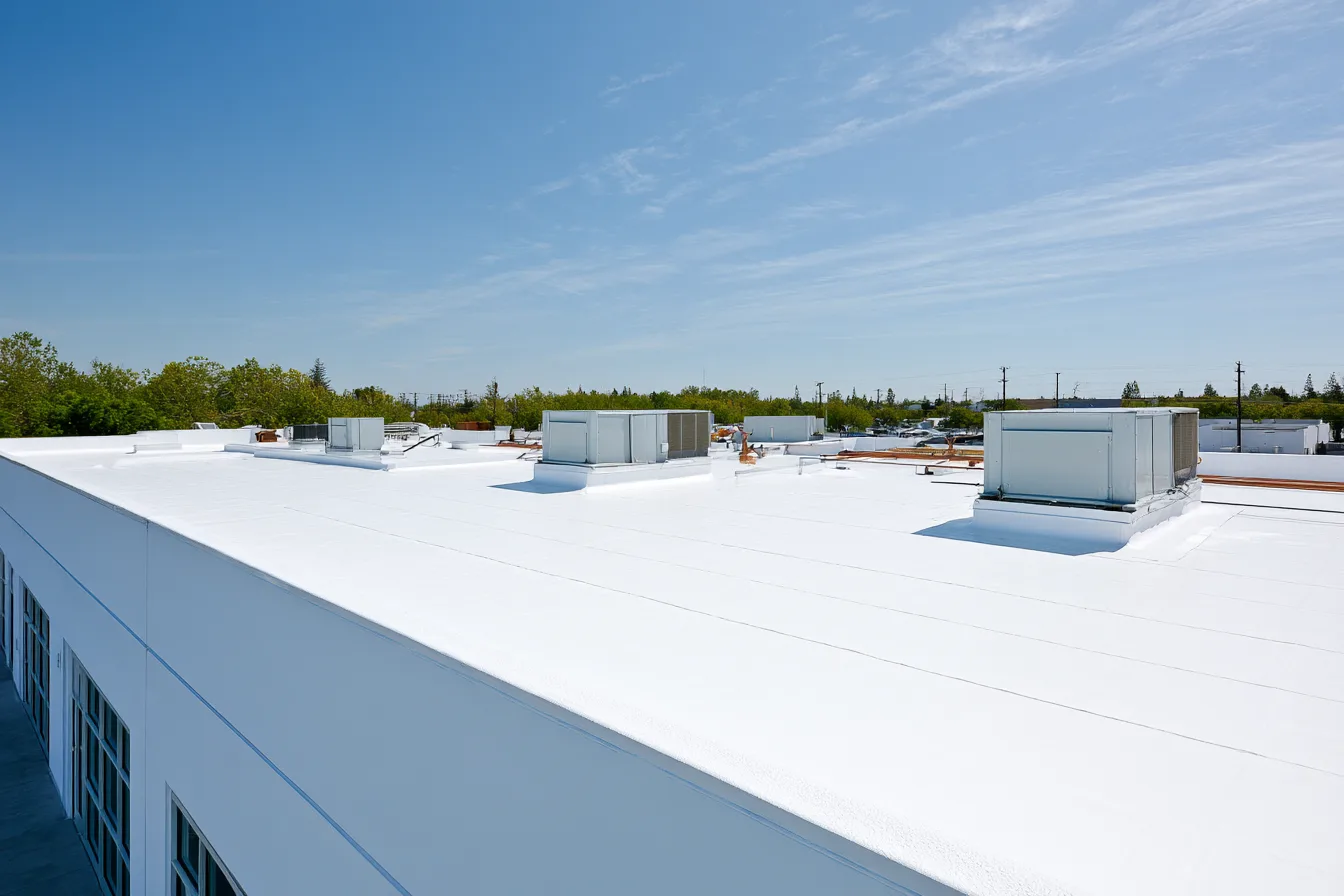
Assess heat-welded seams, field membrane and details around curbs and equipment.
Explore TPO roofing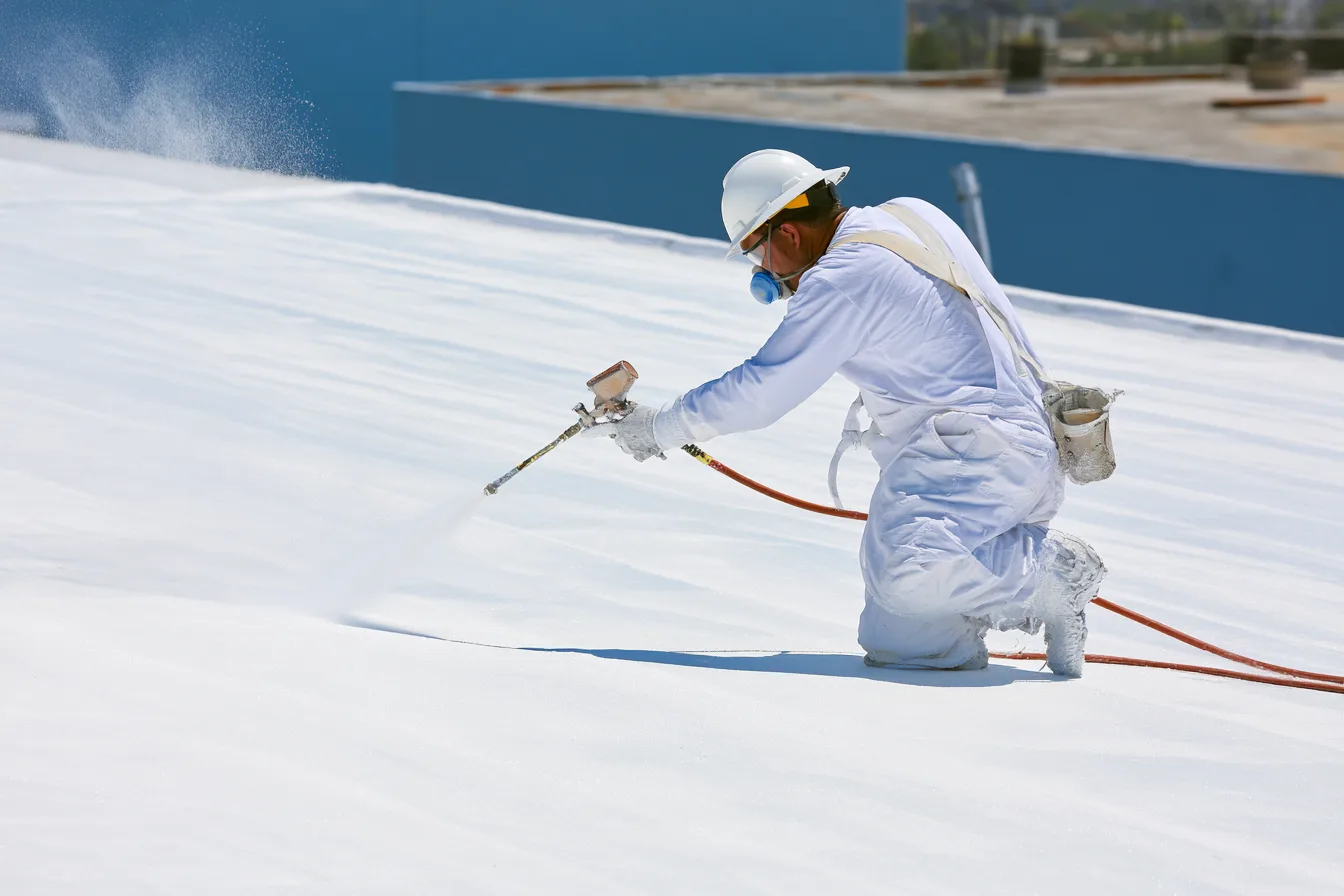
Find out whether a sound, dry roof can support restoration and what must be repaired first.
Explore roof coatings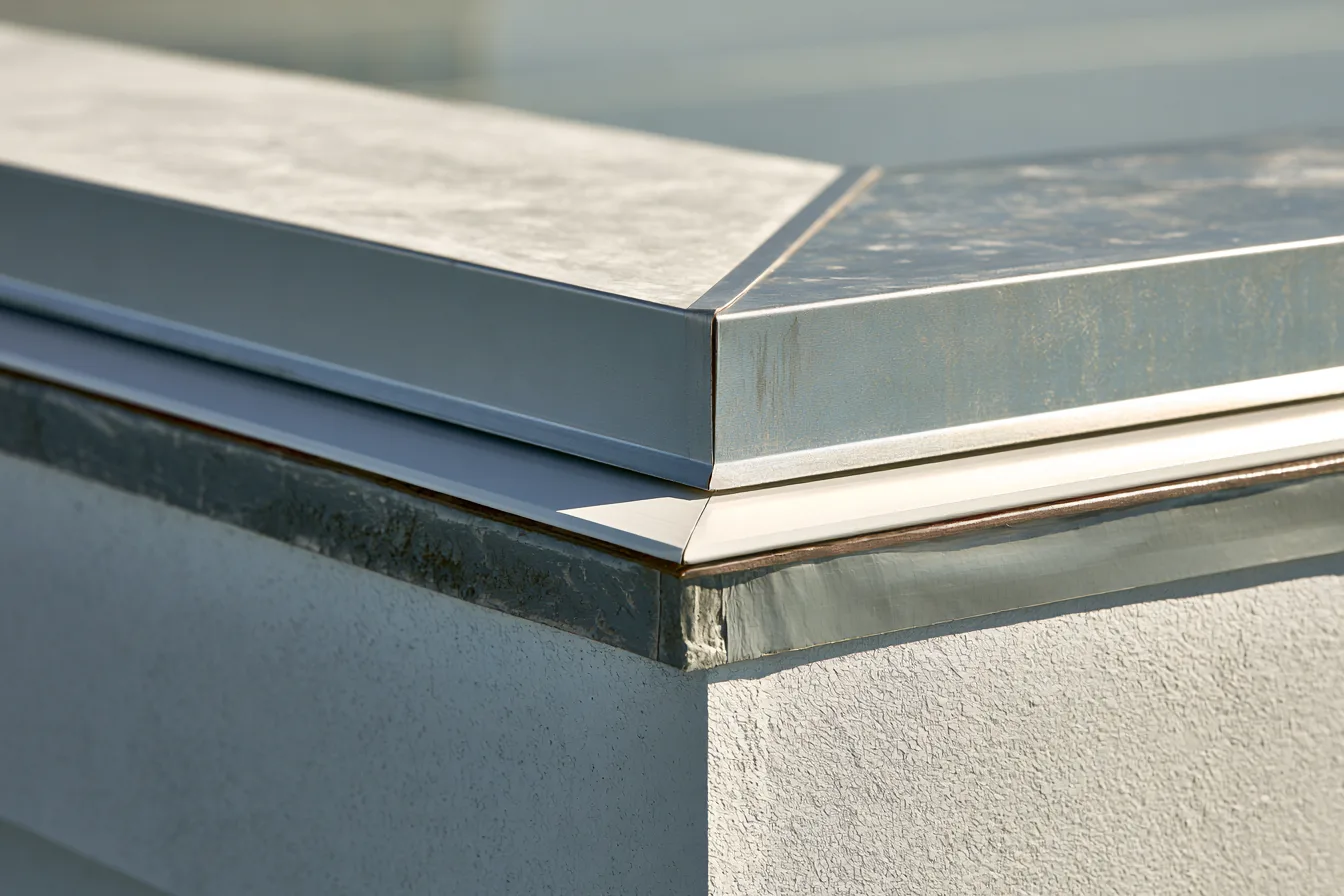
Address membrane openings and drainage details without leaving wet layers hidden below.
Explore flat roof repair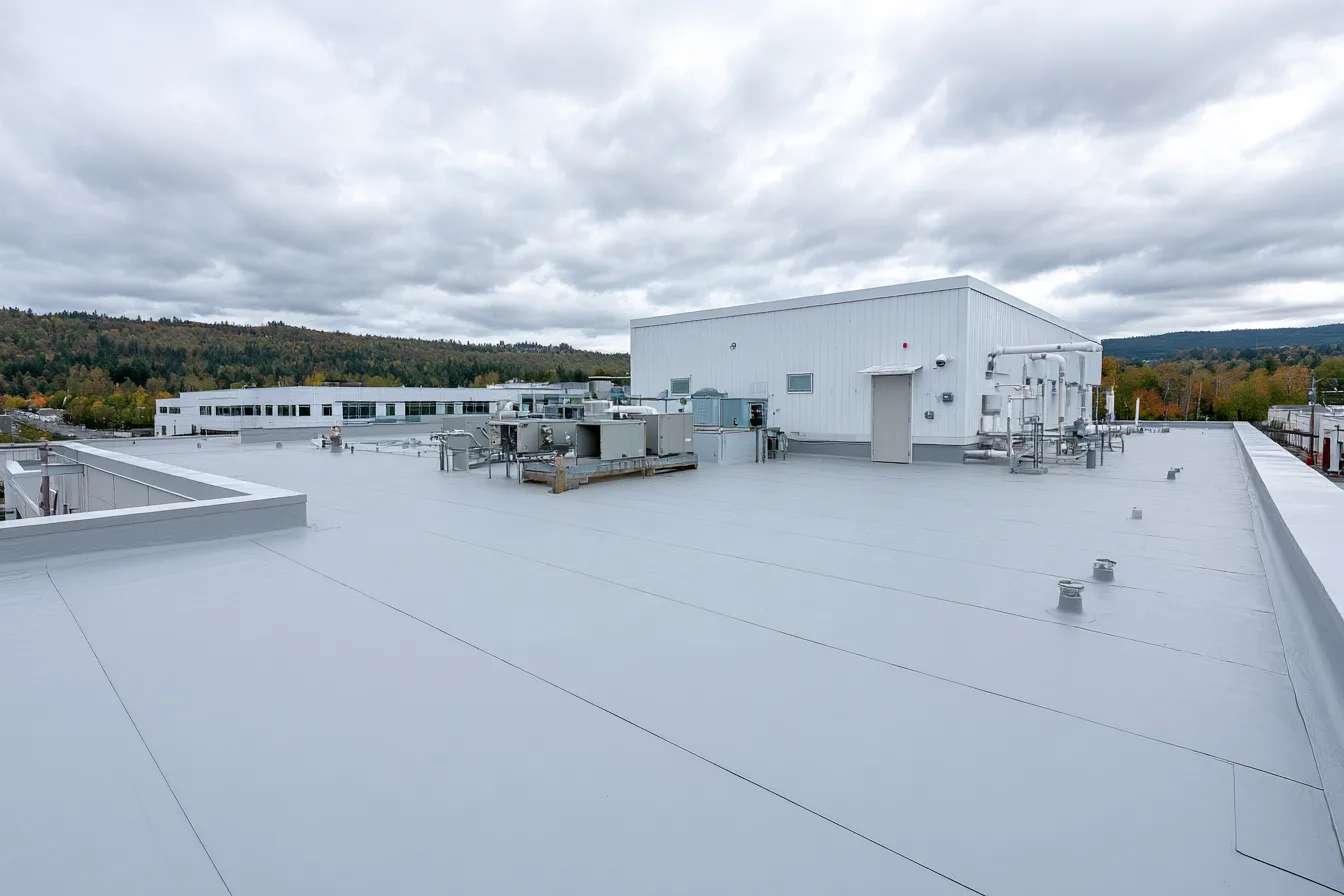
Rebuild a worn system with the deck, insulation, drains and equipment transitions in view.
Explore flat roof replacementA service name is only the starting point. We use the roof's condition to distinguish a defect that can be repaired from deterioration that calls for a larger project.
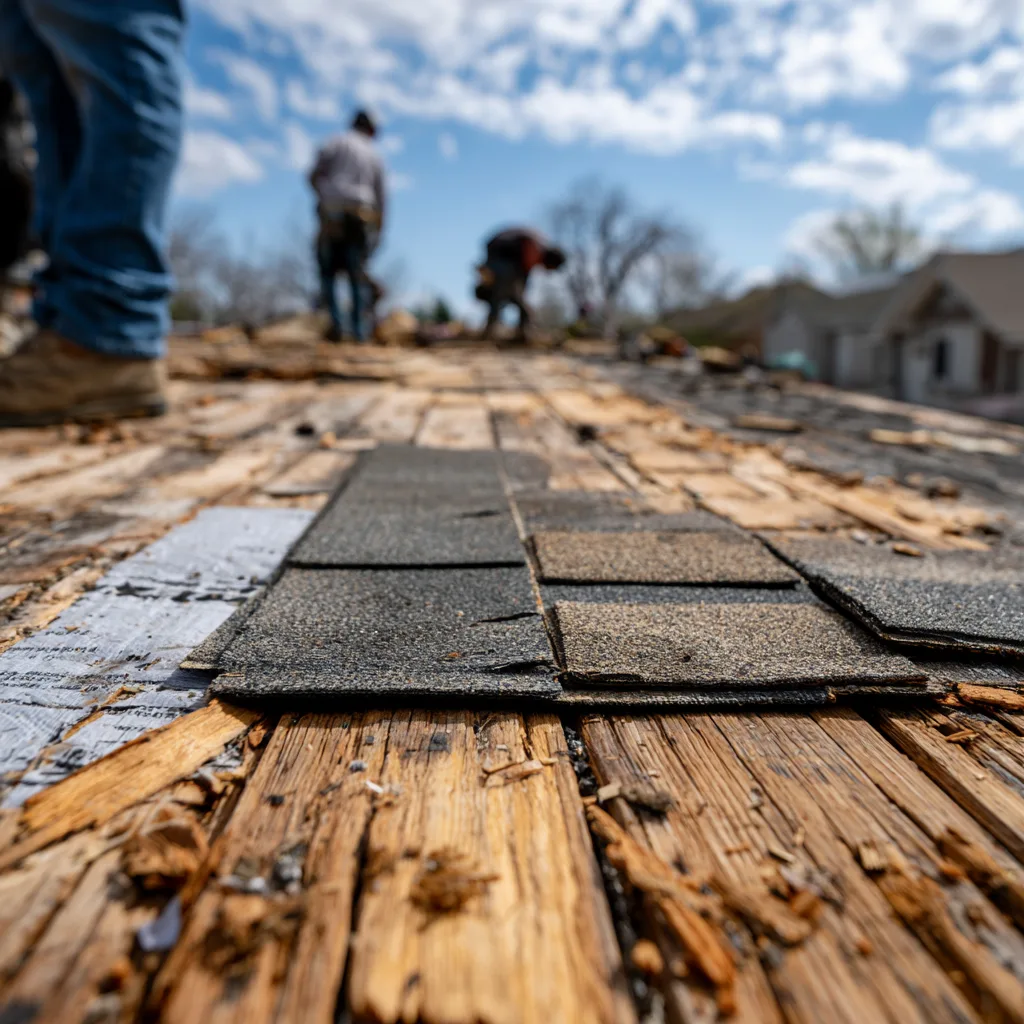
For example, a torn shingle surrounded by workable material is a different job from a torn shingle over softened decking. The visible gap can look similar; opening the affected area and checking the adjoining layers changes what a lasting repair involves.
The important question is what has to work together when the job is finished. We explain the related work while the roof is being assessed.
Shingles or membrane shed water across the main roof surface. Flashing, boots and terminations handle interruptions. Work on one has to meet the other correctly.
Fasteners need sound decking. Where the deck is deteriorated, covering it with new material leaves the support problem in place. Removing the affected covering exposes what needs rebuilding.
Attic intake and exhaust concern airflow; gutters and drains concern rainwater. A damp attic can also involve indoor moisture or ducting. The roof assessment needs to distinguish those causes and any related trade work.
A repair on a clear, reachable slope differs from work above a narrow side yard or an occupied business entrance. Access and protection belong in the roofing plan alongside the materials.
For replacement, removal creates an opportunity to check the deck and the existing connections. We explain the choices before the covering hides them again.
Driveways, gates, landscaping and the route for removed materials affect staging. On a business property, tenant entrances and deliveries need particular attention.
Appearance matters, but so do slope, compatible flashings, underlayment and attachment. A different covering can require different details.
The area being worked on, its height and pitch, material availability and the layers being repaired drive cost. Replacement budgeting is easier once roof area and the intended system are known.
Choose roof inspection or describe the problem in your message. A recurring leak, shingles in the yard or a planned replacement gives us enough to start the conversation.
No. A failed flashing connection or a repair that stopped short of damaged material can keep leaking while much of the roof remains usable. Widespread deterioration changes that answer. We look at the cause and the condition around it.
Yes. Tell us which structure is involved. The slope and the way its roof meets the house determine whether the same covering and flashing details are appropriate.
The questions are different. Membrane type, drainage, rooftop equipment and moisture beneath the surface matter, along with tenant access and the building’s daily operations.
Describe the roof concern in your own words. We can help you find the appropriate next step.