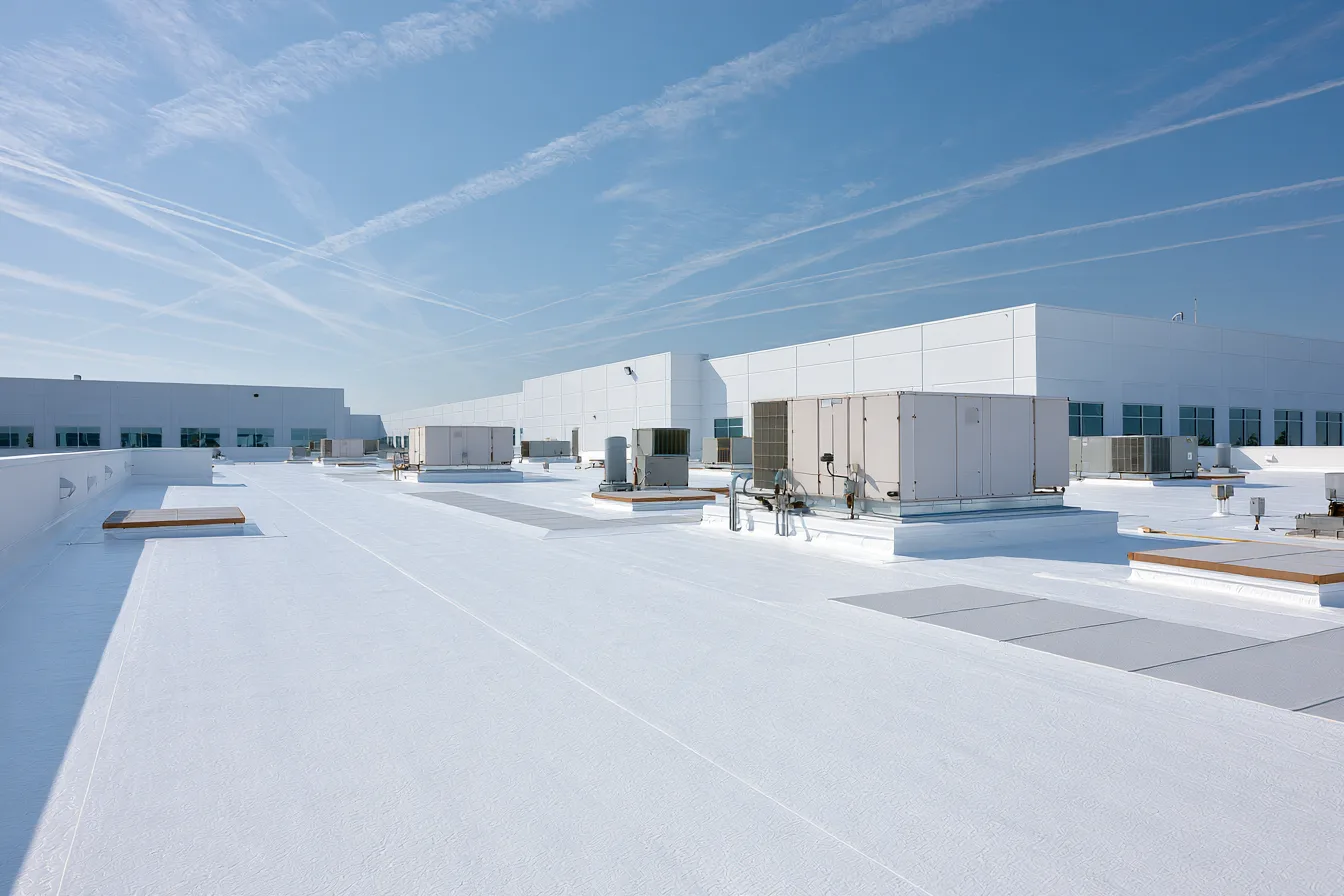
TPO Roofing in Hurst, TX
Plan TPO roofing around the membrane, its welded connections and the building below. Free commercial roof inspections in Hurst.
Evaluate the TPO roof before choosing the next system
A TPO roof uses a thermoplastic sheet membrane with heat-welded seams. The field can cover a broad roof efficiently, but every drain, wall and equipment curb interrupts it. Those connections and the attachment beneath the sheet are central to whether the finished system works.
We identify the membrane and assess its condition before proposing a repair or a new system. A white roof is not automatically TPO. Cleaning, compatible repair material and the ability of an aged surface to accept the specified connection all matter.
For a Hurst commercial property, the plan also has to fit roof access and building use. We discuss equipment service paths, occupied areas and material handling along with the roof findings, so the next step accounts for the operation beneath it.

Examine seams, curbs and perimeter attachment
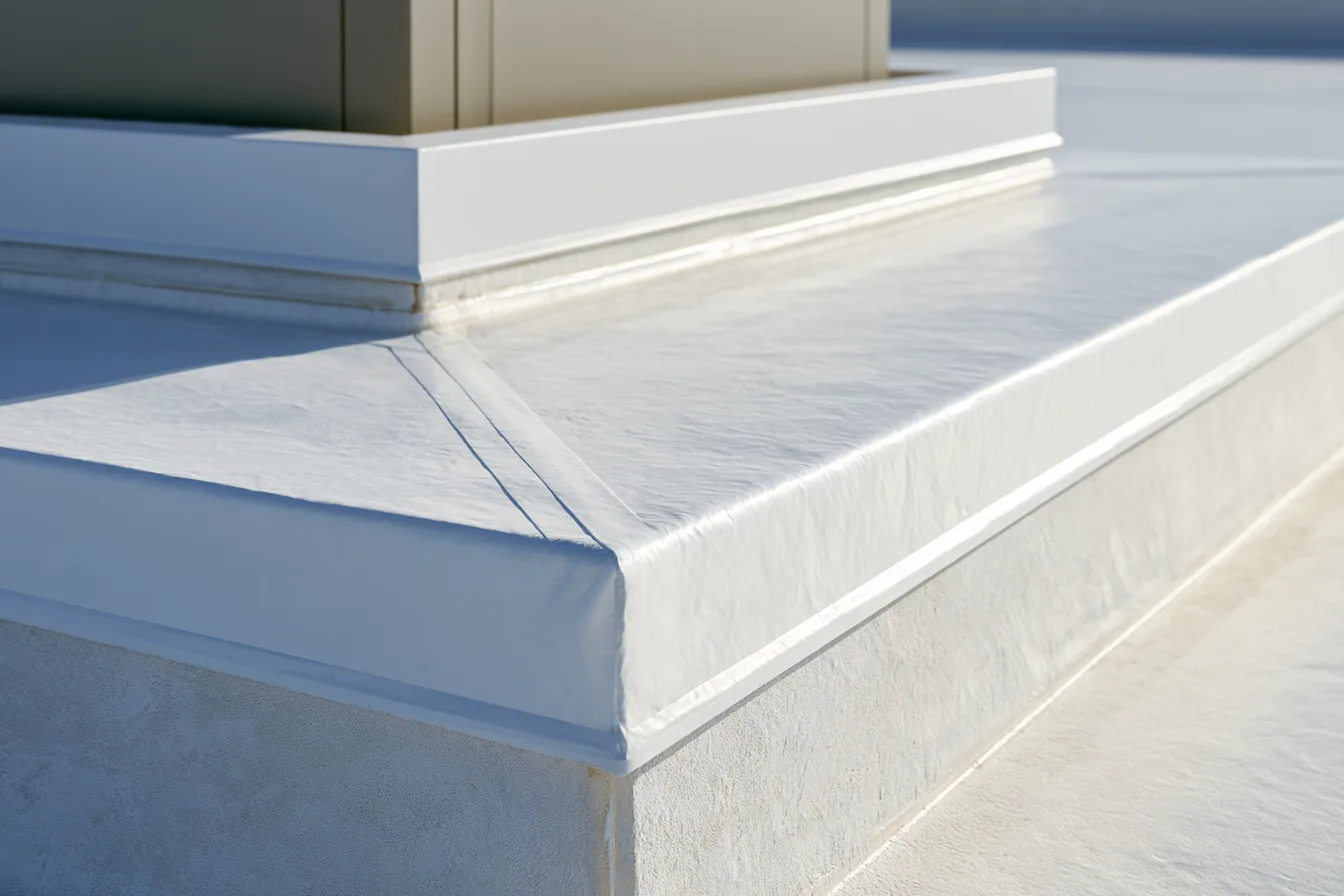
A broad sheet of intact membrane can surround a small but important failure. We assess the field and the changes in direction as separate parts of the same assembly.
Seams and punctures
A weld needs a continuous, sound connection. Surface contamination and age can affect repair preparation, while an opening may have admitted water beyond its visible edge. A compatible repair reaches membrane that can support the specified weld or bond.
Curbs, pipes and drains
A flat patch cannot always rebuild a vertical flashing or a drain connection. Corners, termination points and the transition from the field to equipment supports need details appropriate to the actual system.
Perimeter attachment
Edges and walls have to secure the membrane and maintain a weather-resistant termination. A loose edge is an attachment and flashing question, not merely a mark to cover with coating.
The layers below
Moisture in insulation and the condition of the deck affect what a repair or replacement can retain. Where hidden condition is uncertain, targeted investigation belongs in the scope before new material closes the area.
Repair, recover or replace the membrane
The least disruptive workable scope is useful only if it leaves a roof assembly that can support the new work.
A coating is a different restoration method and must be qualified for the existing membrane. The coatings page explains the surface and moisture checks that come first.
Plan TPO work around an operating building
TPO installation combines membrane work with the building’s deck, insulation and drain details. GAF’s installation guidance shows why fastening, weld setup and detail preparation belong together.
Set access and staging
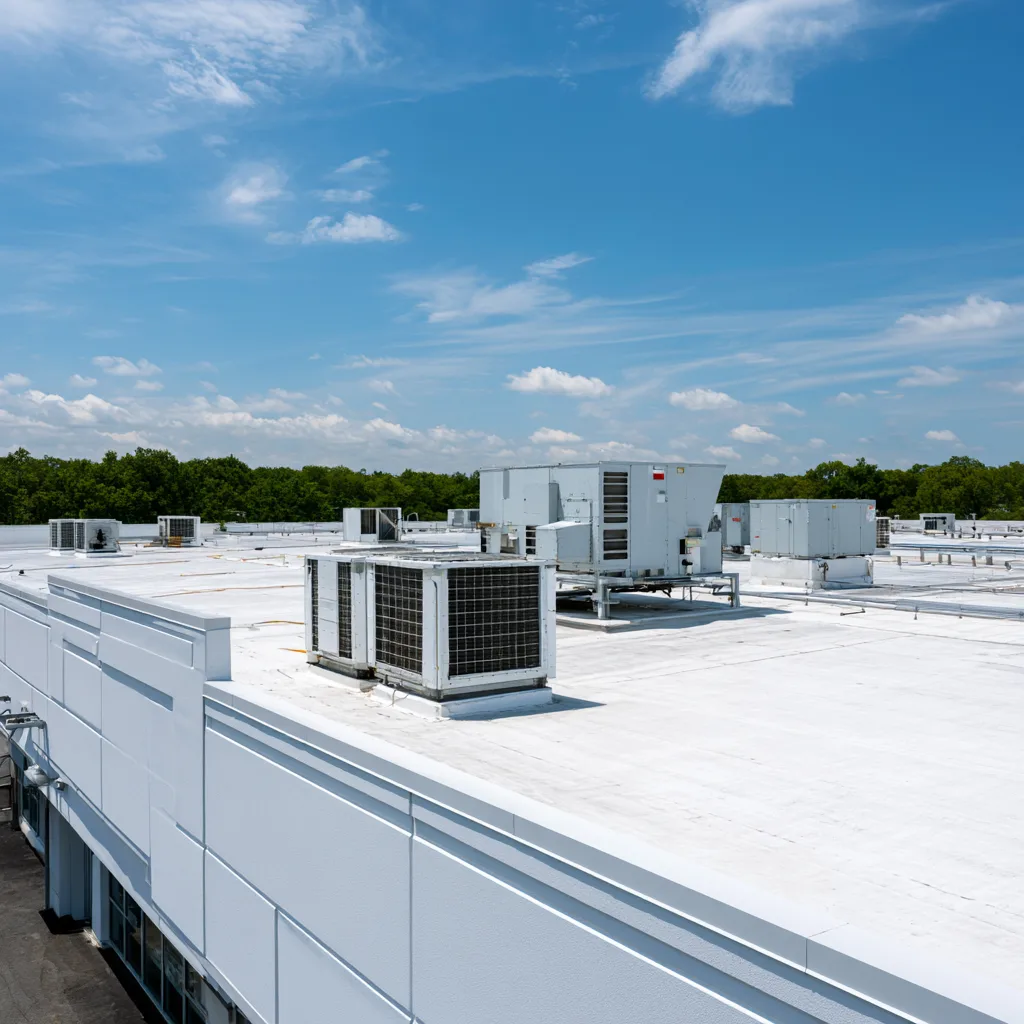
Identify roof access, material delivery space and routes used by equipment technicians. Discuss areas below that are sensitive to interruption, including loading, tenant entrances and equipment serving the building.
Prepare support and water flow
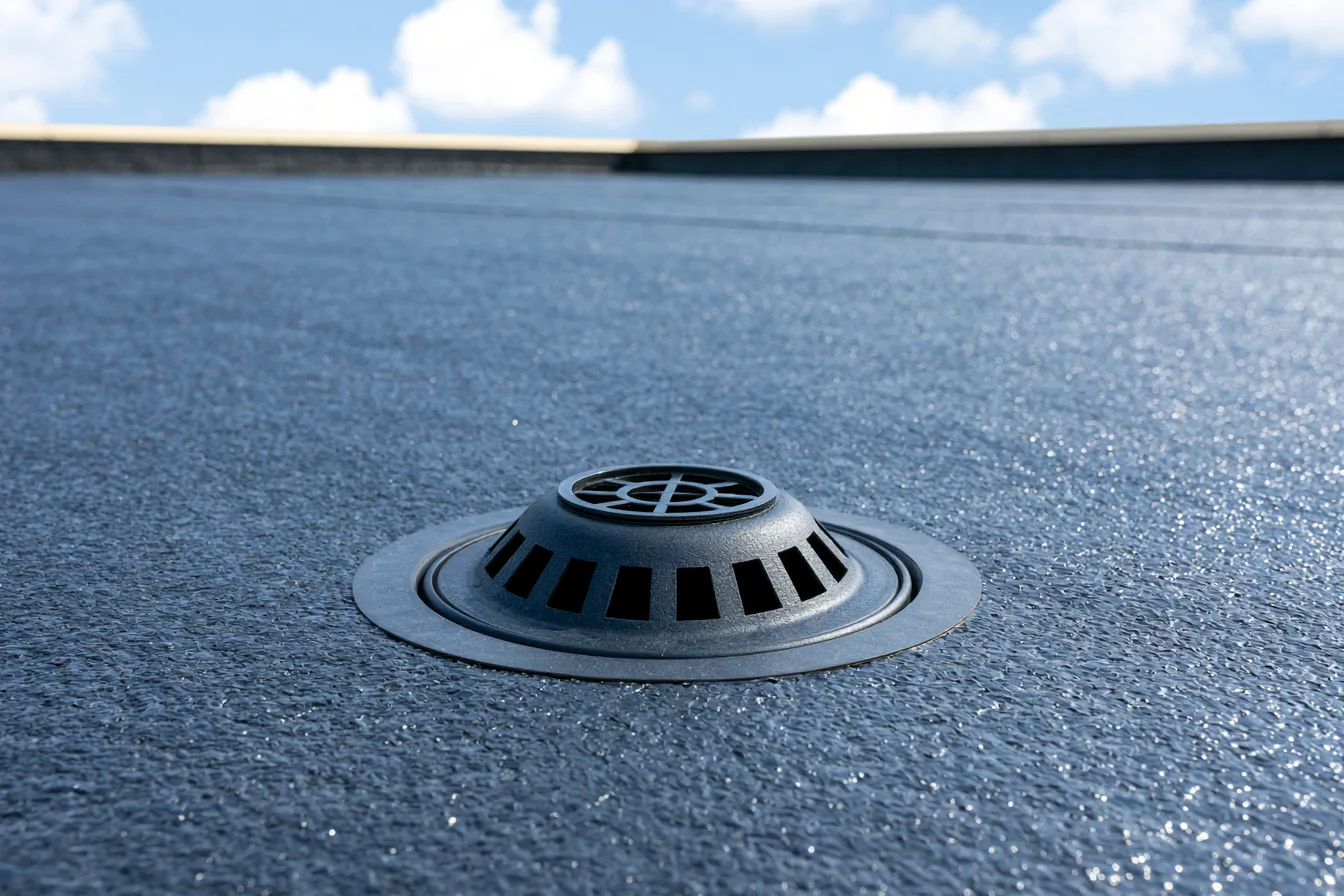
Resolve the included deck and insulation work and the drainage arrangement. Retained layers need to be suitable for the assembly. Adding a new sheet does not change the slope of an existing low area.
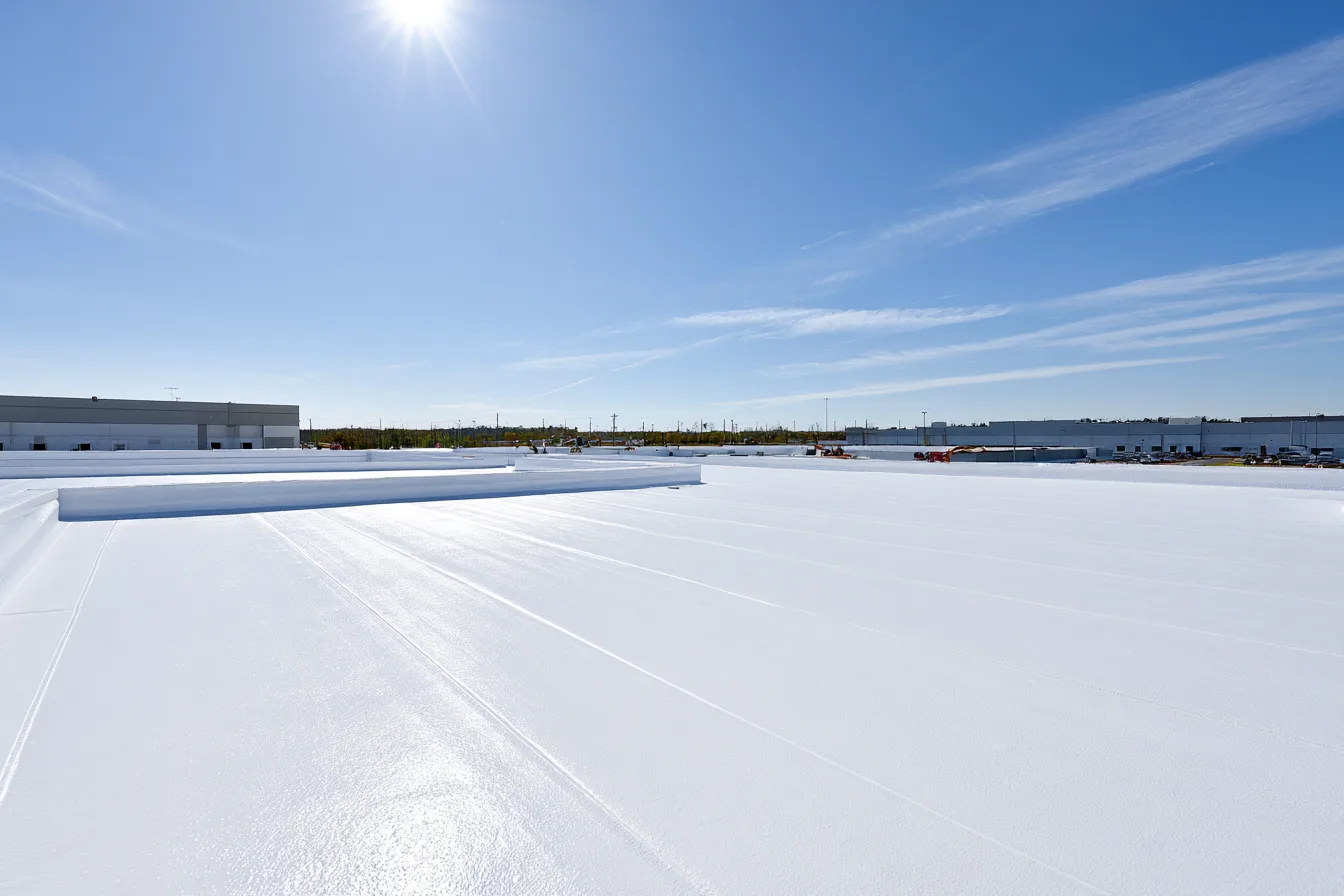
Install and check the connections
Use the specified attachment and prepare membrane surfaces before welding. Welding settings and test connections depend on conditions and product instructions. Finish seams, curbs, edges and drains as a complete system, with service access preserved.
TPO roofing FAQs
Is every white commercial roof TPO?
No. Other single-ply and coated roofs can also be white. Material identification comes before selecting a repair, cleaner, adhesive or welding procedure.
Can aged TPO be repaired?
Yes, when its condition and preparation allow a compatible repair to connect to sound membrane. Aged or contaminated material may require additional preparation or replacement of a larger area. The actual system instructions govern the method.
Will a new membrane fix ponding?
No. A membrane follows the support beneath it. Drainage improvements can require work to outlets, insulation taper or the deck rather than a new sheet alone.
Can wet insulation stay beneath a repair?
Wet or unsound material must be identified and addressed in the repair scope. Covering it does not dry it or restore its insulating and supporting condition. Moisture investigation helps establish how far the affected area extends.
Plan TPO work around your building.
Tell us about the roof concern, property use and any sensitive equipment or access. A free inspection is a practical starting point for the membrane and the layers below it.