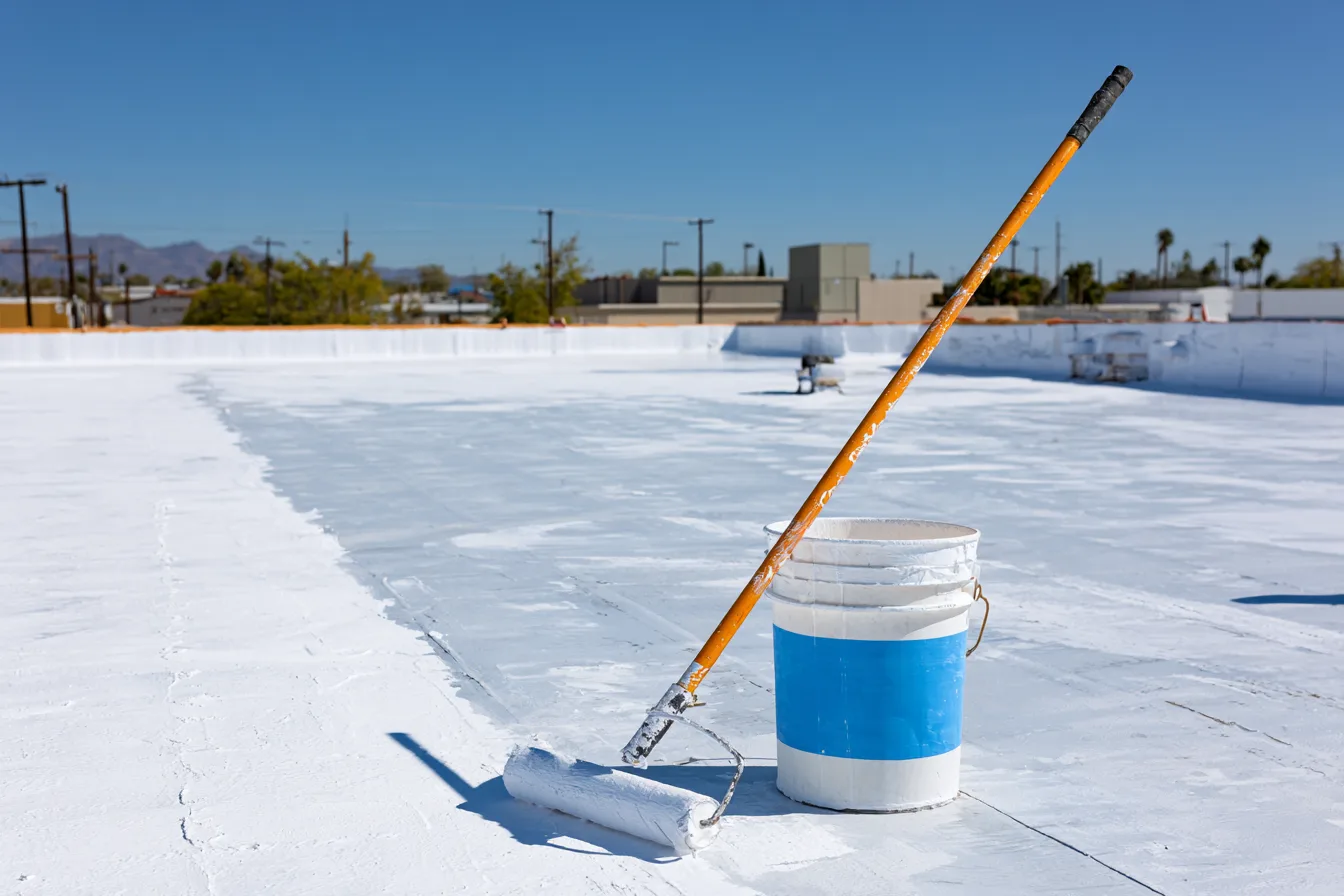
Roof Coatings in Hurst, TX
A coating can restore a suitable roof after the defects beneath it are addressed. Assess moisture, adhesion and preparation before choosing the system.
Qualify the roof before choosing a coating
Coating a roof is most useful when the existing assembly is worth retaining. A sound, dry roof with repairable details can be a candidate for restoration. A wet layer, weakened deck or insecure membrane needs more than a new surface.
We qualify the roof before discussing the coating. That includes the existing material, its attachment, signs of concealed moisture and whether the selected product can adhere to the prepared surface. Open seams and failed flashing are repair work, not flaws to leave for a coating to bridge by itself.
For an occupied Hurst building, we also consider equipment access, application conditions and the time the treated area needs to remain protected. Those arrangements are part of the restoration plan, alongside the material and preparation.
Prepare the surface and failed details
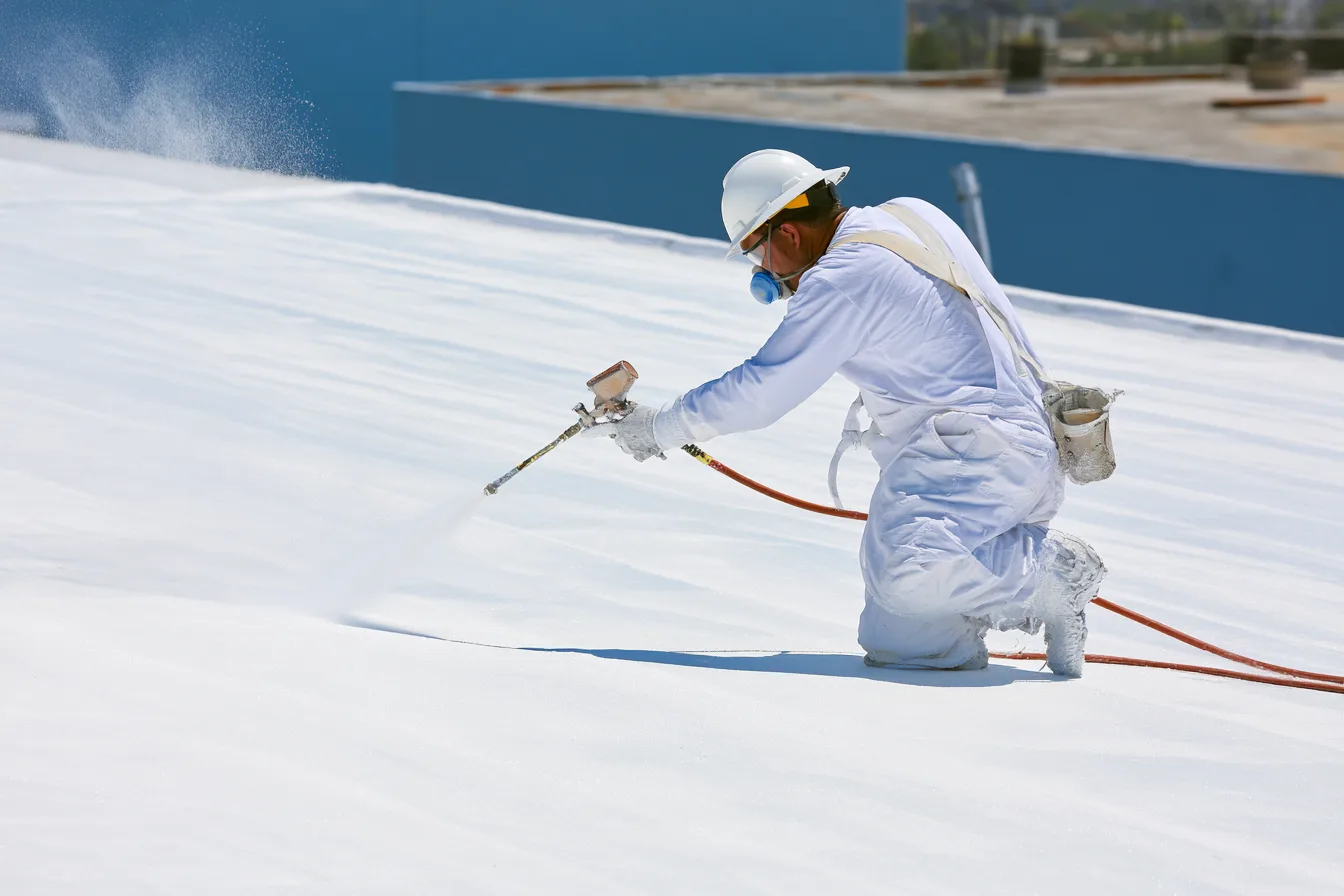
Preparation determines what the coating is bonding to. The scope can include more work than the application that is visible from the roof edge.
- Identify and remove affected material
Moisture investigation helps locate wet membrane or insulation. Unsound areas need an appropriate removal and replacement scope before restoration. Covering trapped moisture cannot return those layers to a usable condition.
- Clean and test adhesion
Dirt, oils and old surface treatments can interfere with bonding. Cleaning must suit the substrate, and adhesion testing helps determine whether the proposed product and any primer work with it. A fresh-looking test area is not the same as a demonstrated compatible bond.
- Repair seams and roof details
Open laps, curb flashings, drain connections and penetrations need the specified repairs or reinforcement. Their preparation has to be complete before the broad field is coated.
- Use the system instructions
GAF’s aged-TPO restoration sheet places roof qualification and repair ahead of coating. Its procedure is for that identified system; a different substrate or product needs its own requirements.
Match coating chemistry to the existing roof
Silicone and acrylic are different chemistries with different application and service limits. The choice follows the roof condition and the manufacturer’s permitted use.
GAF’s coating guidance describes these system differences. A ponding-tolerant product does not correct a low spot, blocked drain or structural drainage problem.
Plan application, cure and building access
A coating job needs a usable application window and a plan for people who maintain the equipment above it.
Finish preparation and protect the area
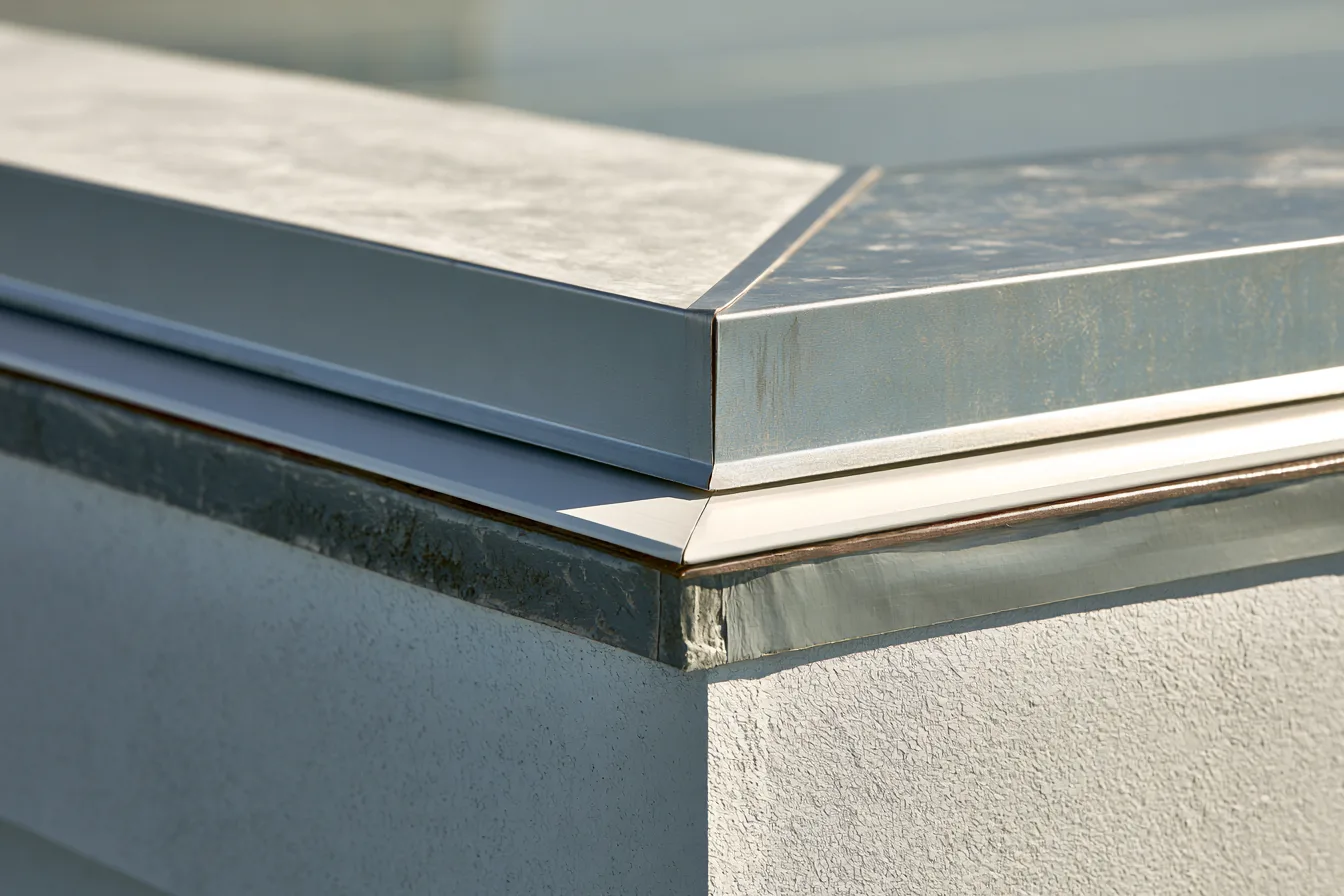
Complete the repairs, cleaning and specified testing. Identify drains, sensitive equipment, air intakes and adjacent property that need protection from the chosen application method.
Apply the specified build
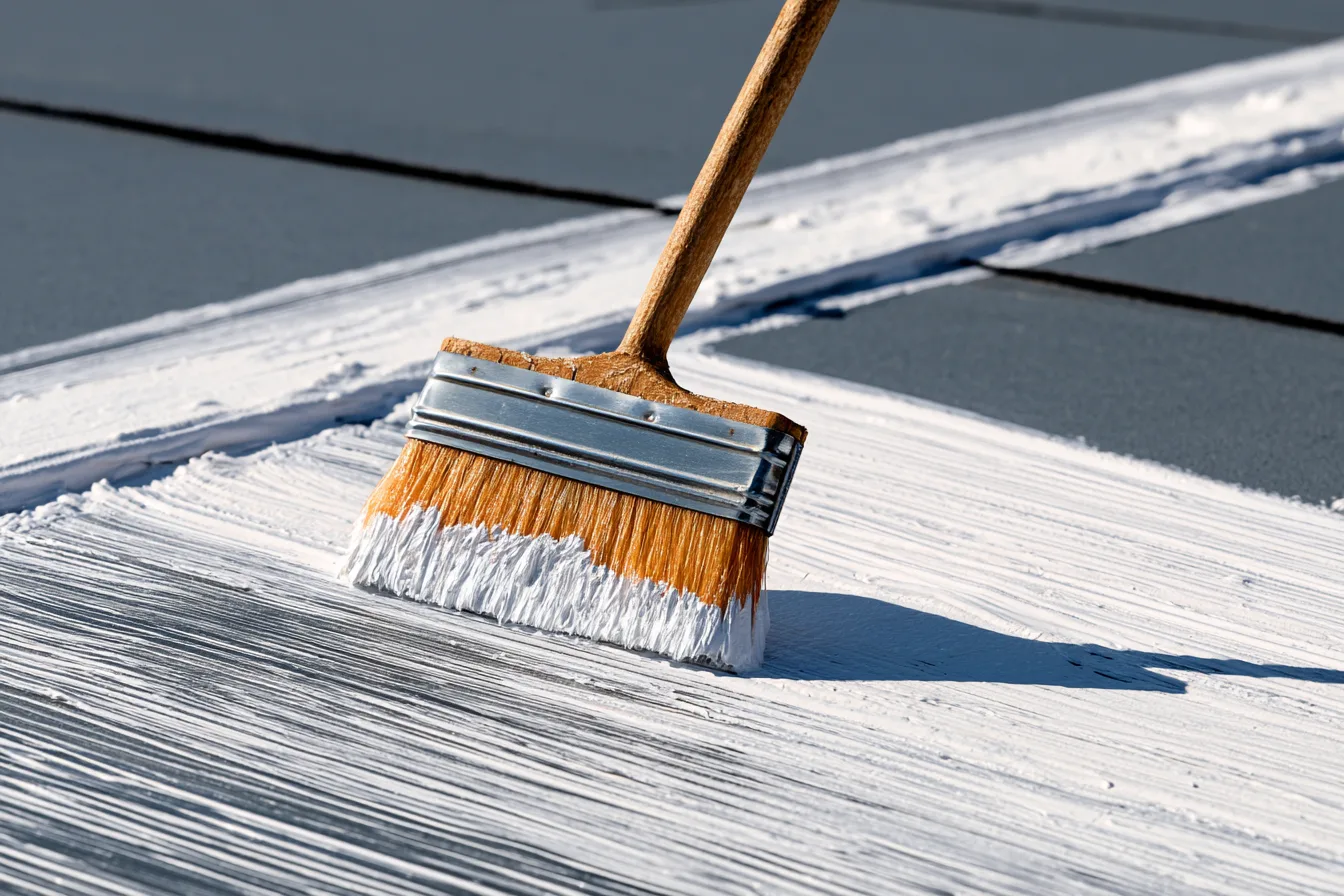
Coverage and film thickness determine the installed system. Spreading the same material over more roof area reduces that build. Apply the required passes and detail treatment within the manufacturer’s conditions rather than aiming only for an even color.
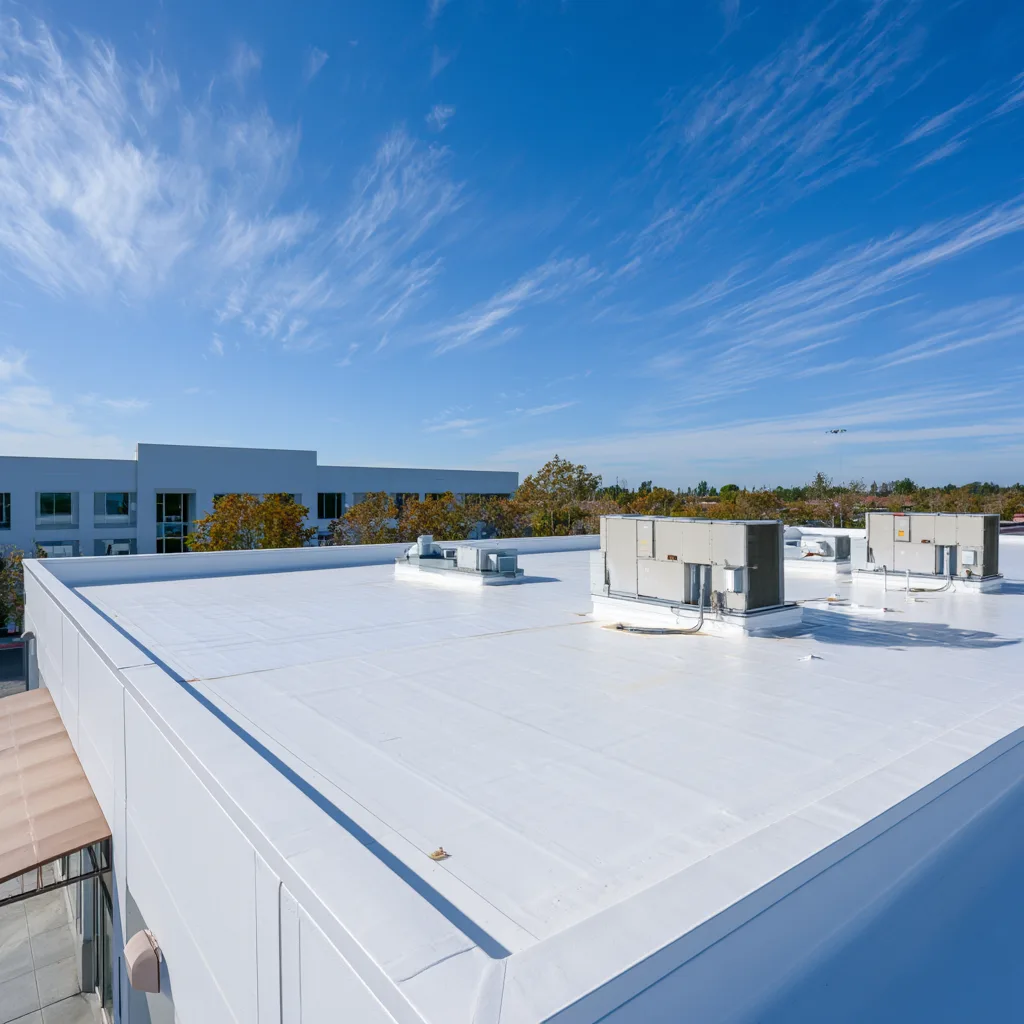
Protect cure and plan maintenance
Keep traffic and equipment work off areas that are curing. Agree later service routes and any required walk protection. Periodic attention to drains, penetrations and coating condition remains part of retaining the roof.
When replacement is the more useful comparison
Preparation is part of the restoration cost. When that work becomes extensive, comparing it with replacement can be more useful than treating coating as the automatic lower-scope option.
- Widespread moisture or unstable support
Extensive wet insulation, an unsound deck or insecure attachment can prevent retaining the assembly. A surface treatment does not correct those conditions.
- Recurring failures and poor adhesion
A roof with many failing details or a poorly bonded old coating can require substantial removal and reconstruction before another layer will work.
- Drainage that needs rebuilding
Clearing an outlet differs from redesigning low areas or changing drain heights. If the roof requires wider changes, flat roof replacement provides the opportunity to address the underlying assembly.
Roof coating FAQs
Can a coating stop a leak?
A properly qualified restoration system can address water entry as part of a repaired roof. The failed detail still needs the right preparation and repair. Pouring or rolling coating over an unidentified leak is not a complete scope.
Can the roof be coated without preparation?
No. Cleaning, compatibility and adhesion assessment, detail repairs and any specified primer are part of creating a coating system. A shortcut at preparation can leave the new surface attached to material that is already failing.
Is every coating suitable for ponding water?
No. Products differ, and some coatings are unsuitable where water remains. Even a product intended for ponding exposure does not remove the cause of ponding. Drainage condition remains part of the assessment.
Can a new coating go over an older coating?
Sometimes, if the old coating is sound, compatible and prepared for the selected new system. Poorly adhered or unsuitable coatings may need removal. The new product’s instructions, not simply its color or chemistry label, govern the decision.
Does restoration include a warranty?
Any offered warranty or guarantee depends on the actual product, installation, eligibility and written terms. Preparation, inspection and maintenance conditions can matter. The scope should name the proposed coverage instead of assuming a standard term.
Find out whether the roof is worth restoring.
Tell us about the existing roof, leak history and building use. We can assess the condition and discuss the preparation behind a workable coating system.