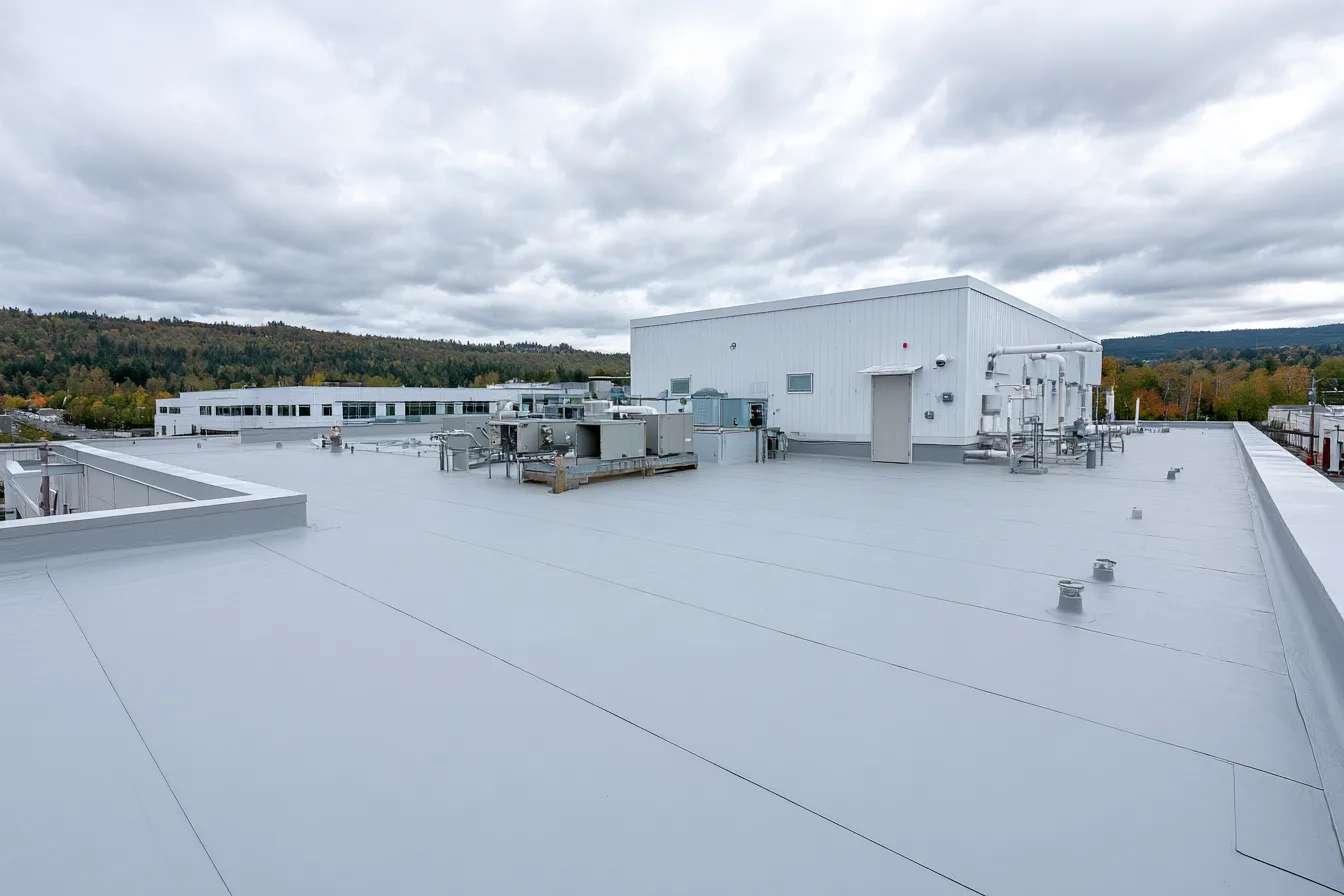
Flat Roof Repair in Hurst, TX
Repair a low-slope roof with its seams, drainage and concealed layers in view. Get help defining the leak and the area that needs work.
Repair the low-slope failure without trapping damage
A flat-roof leak can begin at a puncture, a loose edge or the flashing around a rooftop unit. Water can then spread through insulation or along the deck before it appears below. The wet spot inside does not always define the size or position of the repair above.
We separate the opening in the weather surface from any drainage or underlying damage that helped the problem develop. A local membrane repair can be useful when it reaches sound compatible material. If moisture or deterioration extends beyond the visible defect, the work needs to address those layers too.
For a Hurst commercial building, tell us what is happening below the roof and which equipment or occupied areas are affected. That helps plan access and temporary measures while the permanent repair is assessed.
Separate drainage trouble from a membrane opening
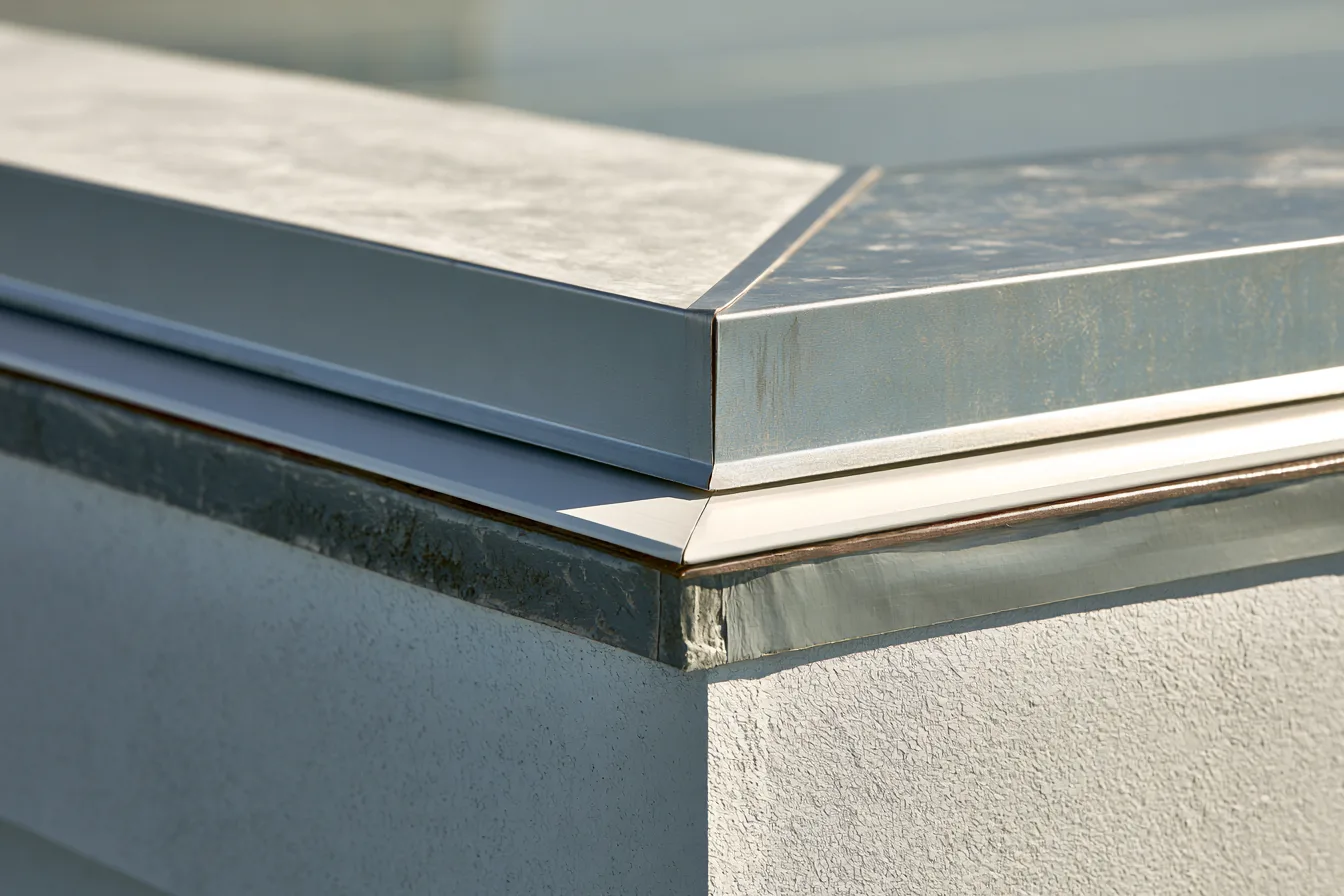
Standing water and a leak can occur together, but they are not the same defect. Both need an explanation.
Reach material that can support the repair
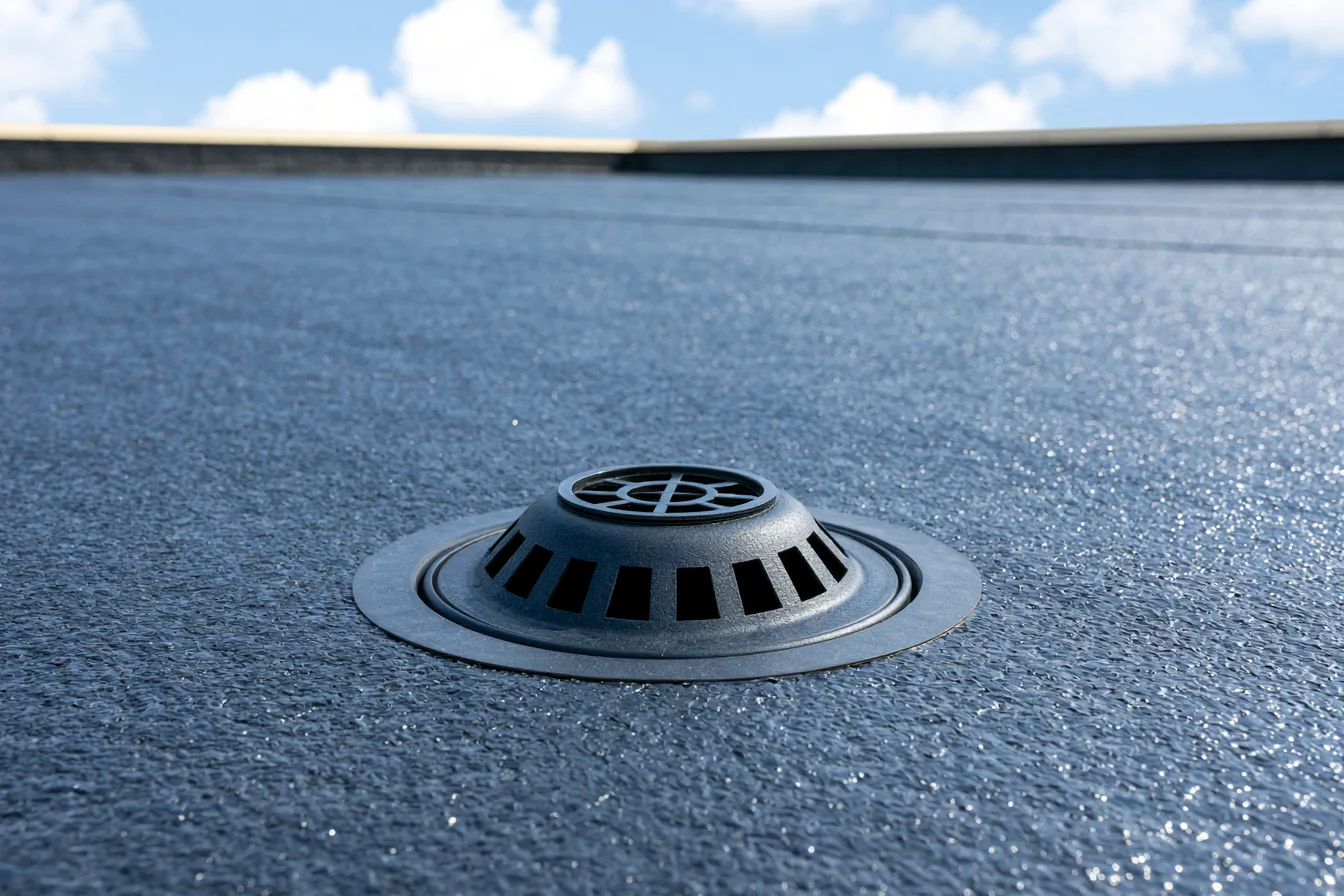
Repair material must work with the roof that is actually present. The preparation and connection for one membrane do not automatically suit another.
Identify the existing surface
TPO, PVC, EPDM, asphaltic roofing and coatings have different repair requirements. A white color or a smooth texture is not enough to choose a patch, cleaner or adhesive. We assess the system and the condition of the receiving material.
Define concealed moisture
A small surface opening can admit water over a wider area. Investigation of the affected assembly determines whether insulation or support needs to be removed and replaced. A sealed top does not dry saturated material below.
Restore the connection at the right level
The new work has to join sound membrane and finish the affected detail, including any drain or curb connection. If the deck is weakened or attachment is failing, those conditions need to be resolved before closing the area.
Know when local work is spreading too far
One sound local repair and a long series of failing patches are different investments. We explain where the repair can stop and what remains on the rest of the roof.
- A defined defect
A repair is more straightforward when the opening is localized, the surrounding material is serviceable and the affected layers can be addressed without rebuilding large areas.
- Problems across the assembly
Repeated leaks at separate details, broad moisture or deterioration can make a wider commercial roof evaluation useful. A coating or recover still needs a roof that qualifies for that system.
- Details and access affect cost
Work around equipment, tall curbs, walls or awkward roof access takes more than a patch area measurement. Equipment isolation and access to occupied spaces may also affect how the repair is staged.
Flat roof repair FAQs
Does standing water always mean a leak?
No. Standing water can exist without an active leak, but it still calls for a drainage assessment. A leak can also occur on a roof that drains well. We check both the water route and the integrity of the roofing details.
Can any patch material be used?
No. The patch and preparation must suit the identified membrane or coating and its condition. An incompatible material can fail to bond or interfere with later repairs.
Can repairs be planned around occupants?
Yes, access and work areas can be planned around how the building is used. Sensitive equipment, entrances and occupied spaces should be discussed early. Some work may still require a temporary restriction or equipment coordination.
Does a surface patch dry wet insulation?
No. A surface patch closes an opening; it does not restore wet insulation. Moisture investigation and an appropriate removal scope are needed where underlying layers have been affected.
Can temporary protection help an active commercial leak?
It can limit exposure where the roof, weather and access allow a suitable temporary measure. Protection is separate from the permanent repair and does not resolve concealed moisture, damaged support or drainage defects.
Define the repair before covering the defect.
Tell us where the leak affects the building and what roof access is available. A free inspection can help establish the membrane, drainage and underlying work needed.